As a seasoned supplier of Cold Roll Formers, I've witnessed firsthand the diverse needs and preferences of our clients. One of the most common questions we encounter is the difference between small - scale and large - scale Cold Roll Formers. In this blog, I'll delve into the nuances of these two types of machines, highlighting their unique features, applications, and benefits.
1. Definition and Basic Concept
A Cold Roll Former is a machine that shapes metal sheets into various profiles by passing them through a series of rollers at room temperature. The process is highly efficient and can produce complex shapes with high precision.
Small - scale Cold Roll Formers are typically designed for low - volume production, small workshops, or businesses with limited space and budget. They are compact in size and relatively easy to operate. On the other hand, large - scale Cold Roll Formers are built for high - volume production in large manufacturing plants. They are often more complex and require a significant investment in terms of space, capital, and maintenance.
2. Structural Design
Small - scale Cold Roll Formers
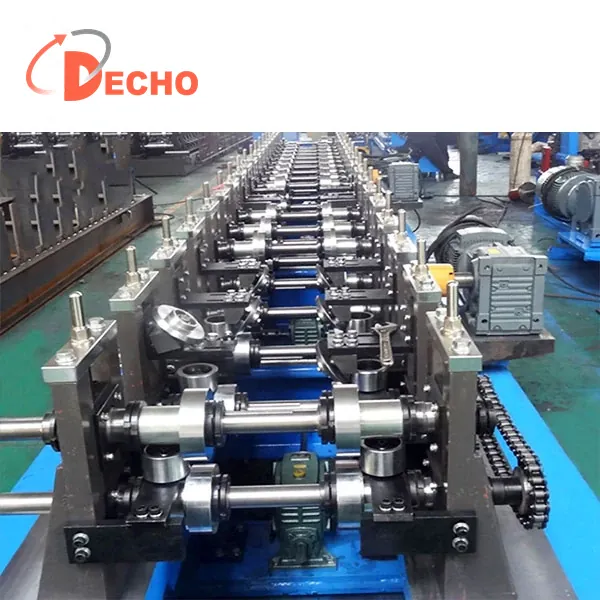
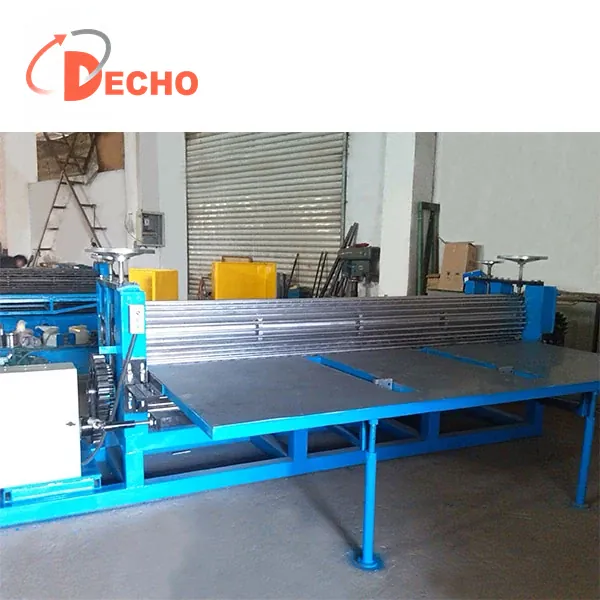
The structural design of small - scale Cold Roll Formers is focused on simplicity and portability. They usually have a smaller number of rollers, typically ranging from 5 to 10 stands. The frames are often made of lightweight materials such as mild steel, which reduces the overall weight of the machine. This makes them easy to move around the workshop and install in different locations.
The control systems of small - scale Cold Roll Formers are also relatively basic. They may use manual or semi - automatic controls, which are suitable for operators with limited technical skills. For example, the speed adjustment may be done manually by turning a knob, and the length measurement may be based on a simple mechanical scale.
Large - scale Cold Roll Formers
Large - scale Cold Roll Formers have a more robust and complex structural design. They can have up to 20 or more roller stands, which allows for the production of more complex profiles. The frames are made of heavy - duty steel to withstand the high forces generated during the roll - forming process.
The control systems of large - scale Cold Roll Formers are highly advanced. They often use computer - numerical control (CNC) technology, which enables precise control of the machine's speed, length, and profile dimensions. Operators can input the desired specifications into the CNC system, and the machine will automatically adjust the settings to produce the required profiles. This not only improves the accuracy of the production but also increases the productivity of the machine.
3. Production Capacity
Small - scale Cold Roll Formers
Small - scale Cold Roll Formers are suitable for low - volume production. Their production speed is relatively slow, usually ranging from 5 to 15 meters per minute. They are ideal for producing small batches of custom - made profiles or for prototyping. For example, a small workshop that specializes in producing unique metal components for architectural projects may use a small - scale Cold Roll Former to produce a few pieces of a specific profile.
The material thickness that small - scale Cold Roll Formers can handle is also limited. They are typically designed to work with metal sheets with a thickness of 0.3 to 3 mm. This makes them suitable for producing thin - walled profiles such as cable trays and light - duty roofing sheets.
Large - scale Cold Roll Formers
Large - scale Cold Roll Formers are designed for high - volume production. They can operate at much higher speeds, ranging from 20 to 60 meters per minute or even more. This allows them to produce a large number of profiles in a short period of time. For example, a large manufacturing plant that supplies metal components to the automotive industry may use a large - scale Cold Roll Former to produce thousands of parts per day.
Large - scale Cold Roll Formers can handle thicker metal sheets, usually ranging from 3 to 10 mm or more. This makes them suitable for producing heavy - duty profiles such as guardrails and structural steel components.
4. Application Areas
Small - scale Cold Roll Formers
Small - scale Cold Roll Formers are widely used in small businesses, workshops, and DIY projects. Some of the common application areas include:
- Cable Tray Production: Small - scale Cold Roll Formers can be used to produce cable trays of various sizes and shapes. These cable trays are used to support and organize electrical cables in buildings, factories, and data centers. You can learn more about Cable Tray Forming Machine.
- Light - duty Roofing and Wall Cladding: They can also be used to produce light - duty roofing and wall cladding panels. These panels are often made of aluminum or galvanized steel and are used in residential and commercial buildings.
- Custom - made Metal Components: Small - scale Cold Roll Formers are ideal for producing custom - made metal components for various industries. For example, they can be used to produce decorative metal profiles for furniture, signage, and architectural applications.
Large - scale Cold Roll Formers
Large - scale Cold Roll Formers are mainly used in large manufacturing plants and industrial applications. Some of the common application areas include:
- Automotive Industry: They are used to produce various metal components for cars, trucks, and other vehicles. These components include body panels, chassis parts, and structural frames.
- Construction Industry: Large - scale Cold Roll Formers are used to produce heavy - duty structural steel components such as beams, columns, and trusses. They are also used to produce guardrails for highways and bridges. You can find more information about Guardrail Roll Forming Machine.
- Agricultural Equipment Manufacturing: They are used to produce metal parts for agricultural machinery such as tractors, combines, and harvesters.
5. Cost Considerations
Small - scale Cold Roll Formers
The initial cost of a small - scale Cold Roll Former is relatively low. They are affordable for small businesses and startups with limited capital. The maintenance cost is also relatively low, as they have fewer components and simpler control systems. However, the cost per unit of production may be higher due to the lower production speed and limited material handling capacity.
Large - scale Cold Roll Formers
Large - scale Cold Roll Formers require a significant initial investment. The cost of the machine itself can be very high, and additional costs such as installation, training, and maintenance also need to be considered. However, the cost per unit of production is lower in the long run, as they can produce a large number of profiles at a high speed.
6. Conclusion and Call to Action
In conclusion, the choice between a small - scale and large - scale Cold Roll Former depends on your specific production needs, budget, and available space. If you are a small business or a workshop that requires low - volume production of custom - made profiles, a small - scale Cold Roll Former may be the right choice for you. On the other hand, if you are a large manufacturing plant that needs to produce a large number of profiles at a high speed, a large - scale Cold Roll Former is more suitable.
As a Cold Roll Former supplier, we offer a wide range of small - scale and large - scale Cold Roll Formers to meet the diverse needs of our clients. Our machines are of high quality and are backed by our professional after - sales service. If you are interested in learning more about our products or have any questions about the difference between small - scale and large - scale Cold Roll Formers, please feel free to contact us. We are looking forward to discussing your requirements and finding the best solution for your business.
References
- Smith, J. (2020). Metal Forming Processes and Technologies. New York: Wiley.
- Jones, R. (2019). Cold Roll Forming: Principles and Applications. London: Taylor & Francis.