Training operators for cold roll forming machinery is a crucial aspect of ensuring the efficient and safe operation of these machines. As a supplier of Cold Roll Forming Machinery, I understand the significance of well - trained operators in maximizing productivity and maintaining high - quality standards. In this blog, I will share some effective strategies on how to train operators for cold roll forming machinery.
Understanding the Basics of Cold Roll Forming Machinery
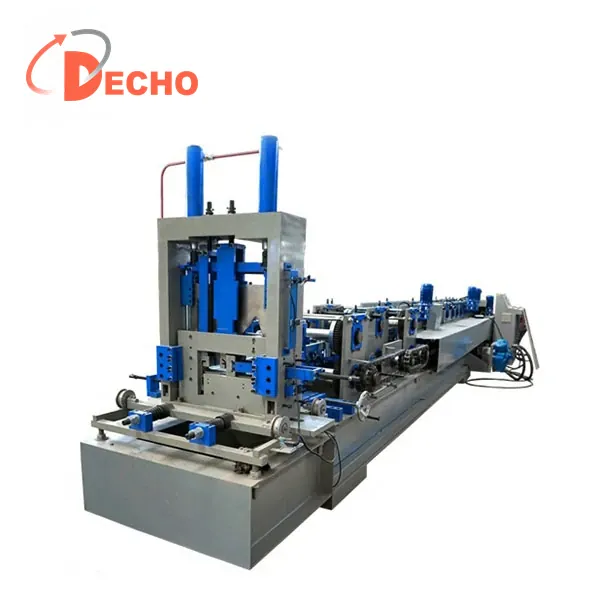
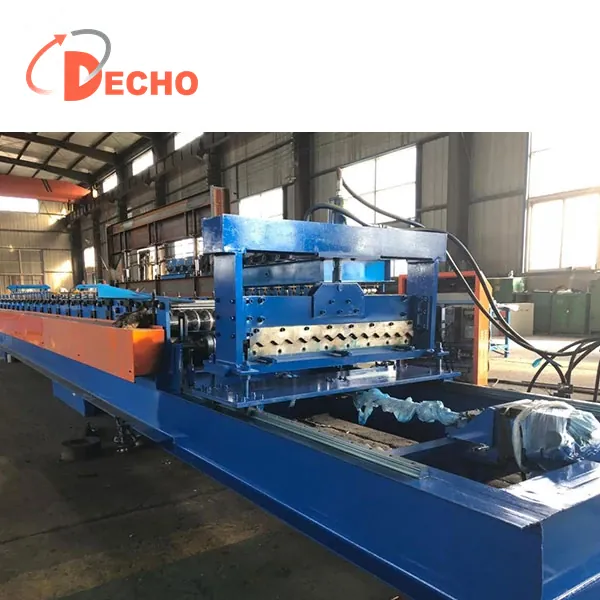
Before diving into the training process, it's essential for operators to have a solid understanding of what cold roll forming machinery is and how it works. Cold roll forming is a process where a strip of metal, usually steel or aluminum, is passed through a series of rolls to gradually shape it into a desired cross - sectional profile. This process is widely used in industries such as construction, automotive, and manufacturing to produce various products like Z Purlin Forming Machine, Corrugated Forming Machine, and Standing Seam Roll Former.
The training should start with a theoretical session that covers the basic principles of cold roll forming. Operators need to learn about the different types of cold roll forming machines, their components, and how they interact with each other. They should also understand the materials used in the process, including their properties and how they affect the forming process.
Safety Training
Safety is the top priority when operating cold roll forming machinery. Operators must be trained on all safety procedures and protocols to prevent accidents and injuries. The training should include the following aspects:
Personal Protective Equipment (PPE)
Operators should be educated on the importance of wearing appropriate PPE, such as safety glasses, gloves, ear protection, and steel - toed boots. They need to know when and how to wear each piece of equipment correctly.
Machine Safety Features
Cold roll forming machines are equipped with various safety features, such as emergency stop buttons, guards, and sensors. Operators should be trained to identify these features, understand their functions, and know how to use them in case of an emergency.
Safe Operating Procedures
Operators must learn the correct operating procedures for the cold roll forming machine. This includes starting and stopping the machine, loading and unloading materials, and adjusting the machine settings. They should also be trained on how to handle any malfunctions or abnormalities safely.
Hands - on Training
Hands - on training is the most effective way for operators to learn how to operate cold roll forming machinery. This training should be conducted under the supervision of an experienced instructor.
Machine Setup
The first step in hands - on training is to teach operators how to set up the cold roll forming machine. This includes installing the appropriate rolls, adjusting the height and alignment of the rolls, and setting the speed and pressure of the machine. Operators should practice setting up the machine for different profiles and materials to gain experience.
Material Feeding
Operators need to learn how to feed the material into the cold roll forming machine correctly. They should understand the importance of proper material alignment and tension to ensure a smooth forming process. They should also be trained on how to handle different types of materials, such as coils and sheets.
Profile Forming
Once the machine is set up and the material is fed, operators should learn how to monitor the profile forming process. They need to be able to identify any defects or abnormalities in the formed profile and know how to make the necessary adjustments to the machine settings. They should also practice producing different profiles to improve their skills.
Machine Maintenance
In addition to operating the machine, operators should be trained on basic machine maintenance. This includes cleaning the machine, lubricating the moving parts, and inspecting the machine for any signs of wear or damage. Regular maintenance helps to extend the lifespan of the machine and ensures its reliable operation.
Training on Quality Control
Quality control is an important part of the cold roll forming process. Operators should be trained on how to inspect the formed profiles for quality. This includes checking the dimensions, surface finish, and mechanical properties of the profiles. They should also be familiar with the quality standards and specifications for the products they are producing.
Operators should learn how to use measuring tools, such as calipers, micrometers, and gauges, to measure the dimensions of the profiles accurately. They should also be trained on how to identify common defects, such as cracks, wrinkles, and uneven surfaces, and know how to take corrective actions.
Continuous Training and Improvement
The cold roll forming industry is constantly evolving, with new technologies and techniques being developed. Therefore, operators should receive continuous training to keep up with these changes. This can include attending workshops, seminars, and online courses.
Continuous training also provides an opportunity for operators to improve their skills and knowledge. They can learn about new profile designs, materials, and machine features that can enhance the productivity and quality of the cold roll forming process.
Documentation and Record - keeping
Proper documentation and record - keeping are essential for the training process. The training program should include a detailed training manual that covers all the theoretical and practical aspects of operating the cold roll forming machine. Operators should also be required to keep a training log, which records their progress and any issues or challenges they encounter during the training.
Conclusion
Training operators for cold roll forming machinery is a comprehensive process that requires a combination of theoretical knowledge, practical skills, and safety awareness. By providing thorough training, we can ensure that operators are able to operate the machines efficiently, safely, and produce high - quality products.
If you are interested in purchasing cold roll forming machinery or need more information about our training programs, please feel free to contact us. We are committed to providing you with the best products and services to meet your needs.
References
- "Cold Roll Forming Technology" by John Doe
- "Safety Guidelines for Metal Forming Machinery" by the National Safety Council
- "Quality Control in Cold Roll Forming" by Jane Smith