Hey there! As a supplier of Metal Roll Forming Machines, I often get asked about the differences between stationary and mobile metal roll forming machines. So, I thought I'd write this blog post to break it all down for you.
What Are Metal Roll Forming Machines?
Before we dive into the differences, let's quickly talk about what metal roll forming machines are. These machines are used to shape metal sheets into various profiles. They work by passing the metal through a series of rollers, each one gradually bending the metal into the desired shape. They're super useful in industries like construction, automotive, and manufacturing, where you need precise and consistent metal profiles.
Stationary Metal Roll Forming Machines
Let's start with stationary metal roll forming machines. These bad boys are fixed in one place. They're usually set up in a factory or a workshop.
Advantages
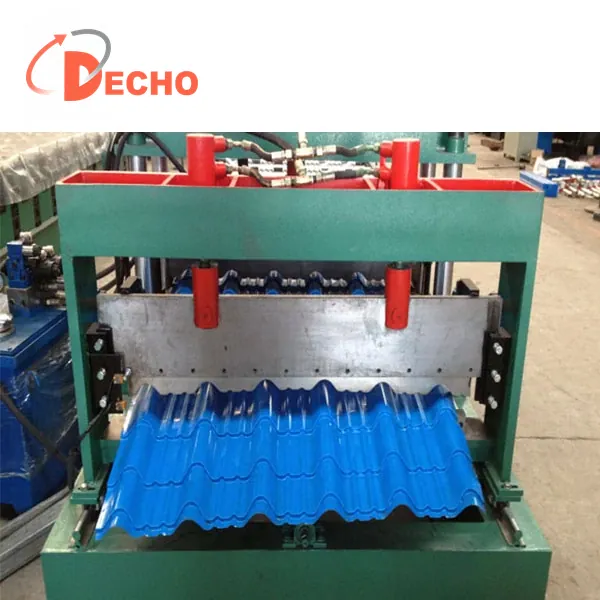
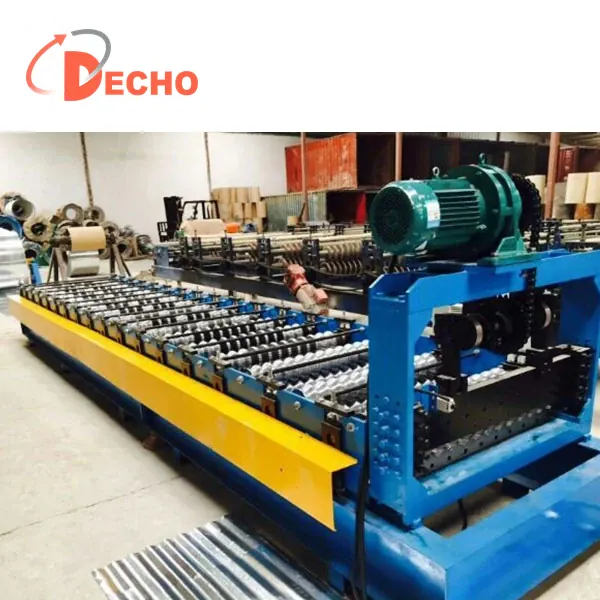
- High Production Capacity: Stationary machines are designed for large - scale production. They can churn out a high volume of metal profiles in a relatively short time. This is because they're built to run continuously without the need for frequent setup changes. For example, if you're producing a large number of roof panels for a big construction project, a stationary Roof Roll Forming Machine can get the job done quickly.
- Precision and Consistency: Since they're fixed in one place, stationary machines offer excellent precision. The rollers are carefully calibrated, and the metal passes through them in a controlled environment. This results in highly consistent profiles, which is crucial for applications where accuracy matters, like in the automotive industry.
- Customization: These machines can be easily customized to produce a wide range of profiles. You can adjust the rollers and the settings to create different shapes and sizes of metal profiles. This makes them a great choice for businesses that need to produce unique or specialized products.
Disadvantages
- Lack of Mobility: The biggest drawback of stationary machines is that they can't be moved easily. Once they're installed, they're pretty much stuck in one place. This can be a problem if you have projects in different locations or if you need to move the machine for maintenance or upgrades.
- High Initial Investment: Setting up a stationary metal roll forming machine requires a significant upfront investment. You need to purchase the machine itself, install it in a suitable location, and often make modifications to your workshop to accommodate it. This can be a barrier for small businesses or startups with limited capital.
Mobile Metal Roll Forming Machines
Now, let's talk about mobile metal roll forming machines. These are designed to be moved around easily. They're often mounted on trucks or trailers.
Advantages
- Mobility: The most obvious advantage of mobile machines is their mobility. You can take them directly to the job site. This is great for construction projects where you need to produce metal profiles on - site. For example, if you're building a remote warehouse, you can bring a mobile Roof And Wall Panel Roll Forming Machine to the location and start producing panels right away.
- Lower Setup Time: Since you can bring the machine to the job site, you don't have to transport the pre - formed metal profiles. This saves a lot of time and money on transportation. Also, the setup time for mobile machines is usually shorter compared to stationary machines.
- Flexibility: Mobile machines offer more flexibility in terms of production. You can quickly change the production location based on the project requirements. This is especially useful for contractors who work on multiple projects in different areas.
Disadvantages
- Lower Production Capacity: Mobile machines generally have a lower production capacity compared to stationary machines. This is because they're designed to be compact and portable, which limits their size and power. If you have a large - scale project that requires a high volume of metal profiles, a mobile machine might not be the best choice.
- Less Precision: Due to their mobile nature, these machines may not offer the same level of precision as stationary machines. The vibrations and movements during transportation and operation can affect the accuracy of the profiles. However, modern mobile machines are getting better at minimizing these issues.
Which One Should You Choose?
The choice between a stationary and a mobile metal roll forming machine depends on your specific needs.
If you're a large - scale manufacturer with a high demand for consistent metal profiles and a fixed production location, a stationary machine is probably the way to go. It'll give you the high production capacity and precision you need.
On the other hand, if you're a contractor or a small business that works on multiple projects in different locations, a mobile machine might be more suitable. It offers the flexibility and mobility you need to get the job done efficiently.
Conclusion
In conclusion, both stationary and mobile metal roll forming machines have their own pros and cons. As a supplier of these machines, I can help you choose the right one based on your requirements. Whether you need a Metal Roof Forming Machine for a roofing project or a machine for other metal profile production, I've got you covered.
If you're interested in learning more about our metal roll forming machines or have any questions about which type is best for you, feel free to reach out. We can have a chat, discuss your project, and find the perfect solution for your business. Let's work together to get your metal profile production up and running smoothly!
References
- "Roll Forming Technology Handbook" by the Roll Forming Association
- Industry research reports on metal roll forming machines