In the modern industrial landscape, technological advancements are constantly reshaping the way we operate machinery. One such area of interest is the purlin forming machine, a crucial piece of equipment in the construction and manufacturing sectors. As a purlin forming machine supplier, I often receive inquiries about the possibility of remote operation for these machines. In this blog, we will explore the feasibility, benefits, challenges, and future prospects of remotely operating a purlin forming machine.
Feasibility of Remote Operation
The feasibility of remotely operating a purlin forming machine largely depends on the integration of advanced technologies. With the rapid development of the Internet of Things (IoT), automation, and control systems, it is indeed possible to operate a purlin forming machine from a distance.
IoT technology allows machines to be connected to the internet, enabling real - time data transmission and remote monitoring. Sensors installed on the purlin forming machine can collect various types of data, such as temperature, pressure, speed, and the position of components. This data can be sent to a central server or a cloud - based platform, where operators can access it using a computer, tablet, or smartphone.
Automation plays a key role in remote operation. Programmable Logic Controllers (PLCs) are commonly used in purlin forming machines to control the sequence of operations. By programming the PLCs, operators can set specific parameters for the machine, such as the length, thickness, and shape of the purlins to be formed. Once the program is set, the machine can operate autonomously, and any necessary adjustments can be made remotely.
Benefits of Remote Operation
1. Enhanced Safety
One of the primary benefits of remote operation is improved safety. Purlin forming machines involve moving parts, high - speed operations, and potentially dangerous processes. By operating the machine remotely, operators can avoid being in close proximity to these hazards. For example, in case of a malfunction or an emergency, operators can stop the machine immediately from a safe location without exposing themselves to the risk of injury.
2. Increased Efficiency
Remote operation allows for real - time monitoring and quick response to any issues that may arise during the production process. Operators can adjust the machine settings, troubleshoot problems, and optimize the production parameters without having to physically be at the machine site. This can significantly reduce downtime and increase the overall efficiency of the production line.
3. Flexibility
With remote operation, operators can manage multiple purlin forming machines from a single location. This is especially useful for large - scale manufacturing facilities or companies with multiple production sites. Operators can switch between different machines, monitor their performance, and make adjustments as needed, regardless of their physical location.
4. Cost Savings
Remote operation can lead to cost savings in several ways. Firstly, it reduces the need for on - site personnel, which can lower labor costs. Secondly, by improving efficiency and reducing downtime, it can increase the productivity of the machine, resulting in higher output and potentially lower production costs per unit.
Challenges of Remote Operation
1. Technical Complexity
Implementing remote operation requires a high level of technical expertise. The integration of IoT, automation, and communication systems is a complex process that requires careful planning and installation. Any issues with the software, hardware, or network connectivity can disrupt the remote operation and lead to production delays.
2. Security Concerns
As the purlin forming machine is connected to the internet, it is vulnerable to cyber - attacks. Hackers may attempt to access the machine's control system, steal sensitive data, or disrupt the production process. Therefore, robust security measures, such as firewalls, encryption, and user authentication, need to be implemented to protect the machine from cyber threats.
3. Reliable Internet Connectivity
Remote operation relies heavily on a stable and reliable internet connection. In areas with poor network coverage or frequent network outages, the remote operation of the purlin forming machine may be interrupted. This can cause delays in production and affect the quality of the output.
Our Solutions as a Supplier
As a purlin forming machine supplier, we are aware of the challenges associated with remote operation and have developed solutions to address them.
1. Technical Support
We provide comprehensive technical support to our customers. Our team of experts can assist with the installation, configuration, and maintenance of the remote operation system. We also offer training programs to ensure that our customers' operators are well - versed in using the remote operation features.
2. Security Measures
We implement state - of - the - art security measures to protect our purlin forming machines from cyber threats. Our machines are equipped with firewalls and encryption technologies to safeguard the data transmitted between the machine and the remote operator. We also regularly update the security software to keep up with the latest cyber - security threats.
3. Redundancy and Backup Systems
To ensure reliable operation, we incorporate redundancy and backup systems in our remote operation solutions. In case of a network outage or a hardware failure, the machine can switch to a backup mode to continue operation or at least maintain its current state until the issue is resolved.
Related Products
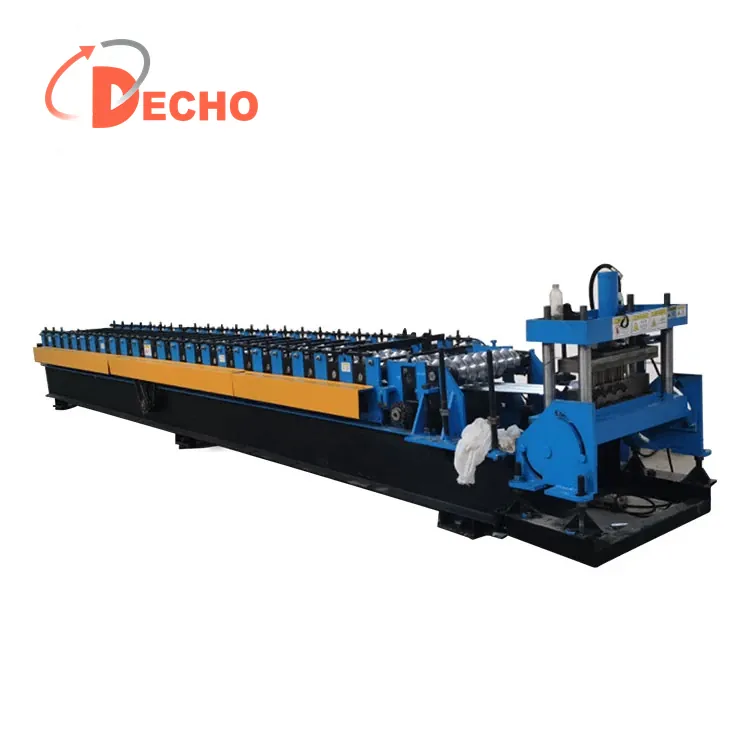
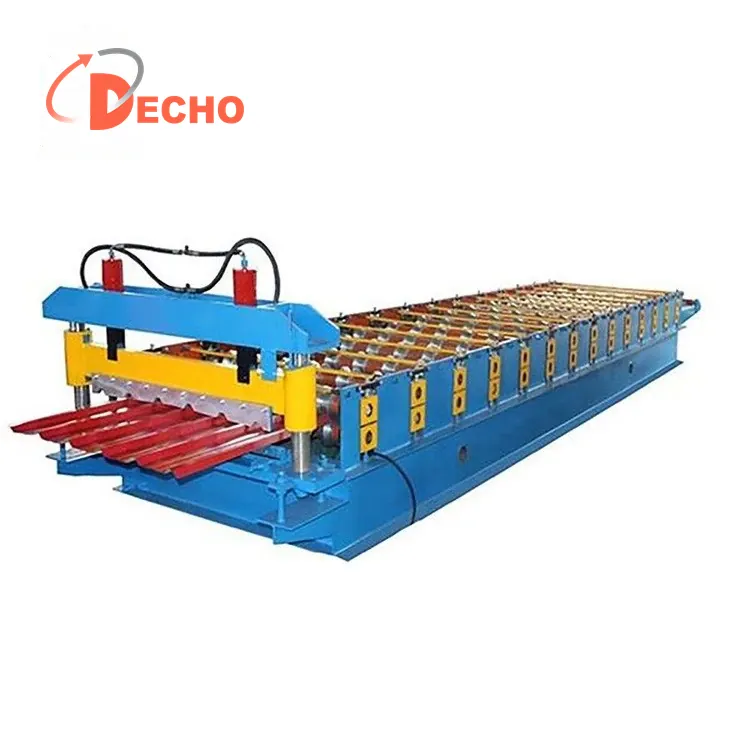
In addition to purlin forming machines, we also offer a range of related products, such as the Roll Forming Machine For Solar Structure, Standing Seam Roll Former, and Ibr Roof Sheet Forming Machine. These machines are also designed with advanced technologies and can be integrated into a comprehensive production system.
Future Prospects
The future of purlin forming machine operation looks promising. As technology continues to evolve, we can expect even more advanced features and capabilities for remote operation. For example, the use of artificial intelligence (AI) and machine learning algorithms can enable the machine to self - optimize its performance based on real - time data analysis. This can further improve the efficiency and quality of the purlin production process.
In addition, the development of 5G technology will provide faster and more reliable internet connectivity, which will enhance the remote operation experience. With 5G, the latency between the operator and the machine will be significantly reduced, allowing for more precise control and real - time interaction.
Conclusion
In conclusion, a purlin forming machine can be operated remotely, thanks to the advancements in IoT, automation, and communication technologies. Remote operation offers numerous benefits, including enhanced safety, increased efficiency, flexibility, and cost savings. However, it also comes with challenges, such as technical complexity, security concerns, and the need for reliable internet connectivity.
As a purlin forming machine supplier, we are committed to providing our customers with high - quality machines and comprehensive solutions for remote operation. We understand the importance of these technologies in the modern industrial landscape and are constantly working to improve our products and services.
If you are interested in our purlin forming machines or have any questions about remote operation, please feel free to contact us for further discussion and potential procurement. We look forward to partnering with you to meet your production needs.
References
- IoT for Industrial Automation: A Survey, IEEE Internet of Things Journal, 2017
- Industrial Cyber - Physical Systems Security: A Survey, IEEE Transactions on Industrial Informatics, 2016
- Programmable Logic Controllers: Principles and Applications, McGraw - Hill Education, 2012