In the dynamic world of metal fabrication, cold roll forming machines stand as a cornerstone technology, enabling the efficient production of a wide array of profiles with precision and consistency. As a trusted supplier of cold roll forming machines, I've witnessed firsthand the profound impact that material hardness can have on the performance and output of these machines. In this blog post, we'll delve into the intricacies of how material hardness affects a cold roll forming machine, exploring the challenges, considerations, and best practices associated with working with different hardness levels.
Understanding Material Hardness
Before we dive into the effects of material hardness on cold roll forming machines, it's essential to understand what material hardness is and how it's measured. Material hardness refers to a material's resistance to deformation, particularly when subjected to indentation, scratching, or abrasion. It's a critical property that influences a material's machinability, durability, and performance in various applications.
There are several methods for measuring material hardness, each with its own advantages and limitations. The most common hardness testing methods include the Rockwell, Brinell, and Vickers tests, which involve applying a specific load to a material using a standardized indenter and measuring the resulting indentation size. The hardness value obtained from these tests is typically expressed in units such as Rockwell hardness (HR), Brinell hardness (HB), or Vickers hardness (HV).
Effects of Material Hardness on Cold Roll Forming Machines
The hardness of the material being formed has a significant impact on the performance and operation of a cold roll forming machine. Here are some of the key effects that material hardness can have:
Tooling Wear and Life
One of the most immediate effects of material hardness on a cold roll forming machine is its impact on tooling wear. Harder materials require more force to deform, which can lead to increased friction and wear on the forming rolls and other tooling components. Over time, this can cause the tooling to wear out more quickly, resulting in reduced precision, increased downtime for maintenance and replacement, and higher overall production costs.
To mitigate the effects of tooling wear, it's essential to select the right tooling materials and coatings for the specific hardness of the material being formed. High-speed steel (HSS) and carbide are commonly used materials for cold roll forming tooling due to their excellent hardness, wear resistance, and toughness. Additionally, applying specialized coatings such as titanium nitride (TiN), titanium carbonitride (TiCN), or diamond-like carbon (DLC) can further enhance the tooling's wear resistance and extend its service life.
Forming Force and Power Requirements
Another significant effect of material hardness on a cold roll forming machine is its impact on the forming force and power requirements. Harder materials require more force to deform, which means that the machine needs to generate more power to overcome the material's resistance. This can result in increased energy consumption, higher operating costs, and potential strain on the machine's mechanical components.
To ensure that the cold roll forming machine can handle the forming force required for harder materials, it's important to select a machine with sufficient power and torque. Additionally, optimizing the forming process parameters such as the roll gap, feed speed, and number of forming stands can help reduce the forming force and improve the machine's efficiency.
Dimensional Accuracy and Quality
Material hardness can also affect the dimensional accuracy and quality of the formed profiles. Harder materials are more resistant to deformation, which can make it more challenging to achieve the desired shape and dimensions. Additionally, the increased force required to form harder materials can cause the material to spring back after forming, resulting in dimensional variations and reduced accuracy.
To maintain the dimensional accuracy and quality of the formed profiles, it's important to carefully control the forming process parameters and use appropriate tooling and die designs. Additionally, implementing post-forming processes such as stress relieving or heat treatment can help reduce the material's spring back and improve the final product's dimensional stability.
Material Flow and Formability
The hardness of the material can also influence its flow behavior and formability during the cold roll forming process. Harder materials tend to be more brittle and less ductile, which can make them more prone to cracking, splitting, or other forms of damage during forming. Additionally, the increased resistance to deformation can cause the material to flow unevenly, resulting in surface defects such as wrinkles, folds, or ridges.
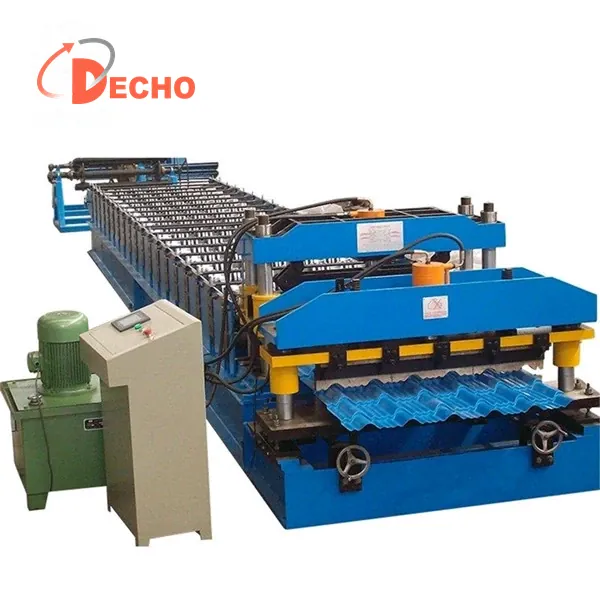
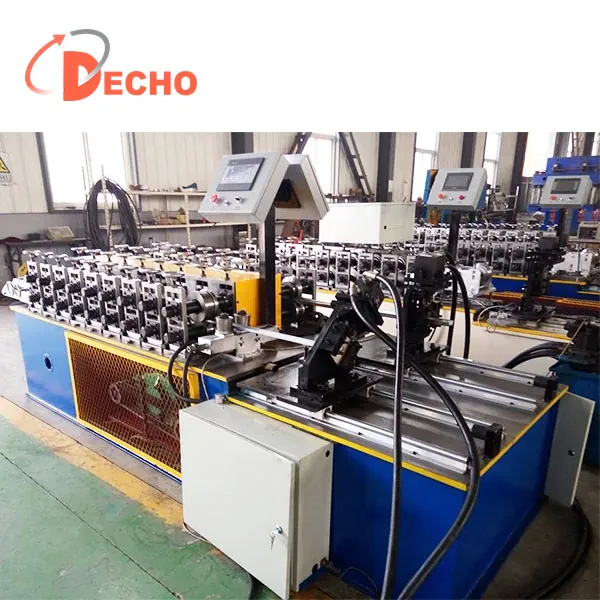
To improve the material's formability and reduce the risk of damage during forming, it's important to preheat the material or use lubricants to reduce friction and improve the material's flow. Additionally, optimizing the roll design and forming sequence can help ensure that the material flows smoothly and evenly through the machine, minimizing the risk of defects and improving the overall quality of the formed profiles.
Considerations for Working with Different Material Hardness Levels
As a cold roll forming machine supplier, I often work with customers who need to form materials with different hardness levels. Here are some key considerations to keep in mind when working with different material hardness levels:
Material Selection
The first step in working with different material hardness levels is to carefully select the appropriate material for the application. Consider factors such as the required strength, durability, corrosion resistance, and formability when choosing the material. Additionally, consult with the material supplier or a materials engineer to ensure that the selected material is suitable for cold roll forming and can meet the desired performance requirements.
Tooling Design and Selection
The tooling design and selection are critical factors in ensuring the successful forming of materials with different hardness levels. When working with harder materials, it's important to use tooling made from high-strength materials such as carbide or high-speed steel and to apply specialized coatings to enhance the tooling's wear resistance. Additionally, the tooling design should be optimized to minimize the forming force and reduce the risk of damage to the material.
Process Optimization
Optimizing the cold roll forming process is essential for achieving consistent and high-quality results when working with different material hardness levels. This includes adjusting the forming process parameters such as the roll gap, feed speed, and number of forming stands to ensure that the material is formed correctly and efficiently. Additionally, implementing quality control measures such as in-process inspection and testing can help identify and correct any issues early in the production process.
Operator Training and Experience
Finally, operator training and experience are crucial for ensuring the successful operation of a cold roll forming machine when working with different material hardness levels. Operators should be trained on the proper use and maintenance of the machine, as well as the specific requirements and challenges associated with forming materials with different hardness levels. Additionally, experienced operators can often identify and troubleshoot issues more quickly, minimizing downtime and improving overall productivity.
Conclusion
In conclusion, the hardness of the material being formed has a significant impact on the performance and operation of a cold roll forming machine. From tooling wear and life to forming force and power requirements, dimensional accuracy and quality, and material flow and formability, material hardness affects every aspect of the cold roll forming process. As a cold roll forming machine supplier, it's essential to understand these effects and to work closely with customers to select the right machine, tooling, and process parameters for their specific application.
If you're in the market for a cold roll forming machine or need assistance with forming materials of different hardness levels, I encourage you to explore our range of Roof Tile Making Machine, Highway Guardrail Roll Forming Machine, and Door Frame Roll Forming Machine. Our team of experts is here to help you find the perfect solution for your needs and to provide you with the support and guidance you need to achieve success in your metal fabrication operations. Contact us today to learn more and to start the conversation about your next project.
References
- ASM Handbook, Volume 8: Mechanical Testing and Evaluation, ASM International, 2000.
- Cold Roll Forming Technology Handbook, edited by John W. Dunsford, Society of Manufacturing Engineers, 2008.
- Metal Forming Handbook: Processes and Applications, edited by Gerhard Spur and Thomas Stöferle, Carl Hanser Verlag, 2009.