Hey there! As a supplier of forming machines, I often get asked about the forming principle of a stretching-forming machine. So, I thought I'd break it down in this blog post to give you a better understanding of how these nifty machines work.
The Basics of Stretching-Forming Machines
First off, let's talk about what a stretching-forming machine does. In simple terms, it's a piece of equipment used to shape metal sheets or other materials by stretching them. This process is crucial in various industries, from automotive to construction, where precise and complex shapes are required.
The main idea behind a stretching-forming machine is to apply a controlled amount of force to a workpiece to deform it into the desired shape. Unlike some other forming methods that rely on cutting or bending, stretching-forming focuses on elongating the material while maintaining its structural integrity.
Key Components of a Stretching-Forming Machine
To understand the forming principle, we need to take a look at the key components of a stretching-forming machine. These machines typically consist of the following parts:
- Frame: This is the backbone of the machine, providing support and stability. It's usually made of heavy-duty steel to withstand the high forces involved in the stretching process.
- Clamping System: The clamping system holds the workpiece securely in place during the stretching operation. It ensures that the material doesn't slip or move, which is essential for achieving accurate and consistent results.
- Stretching Mechanism: This is the heart of the machine, responsible for applying the stretching force. There are different types of stretching mechanisms, such as hydraulic cylinders, servo motors, or a combination of both. The choice of mechanism depends on the specific requirements of the application, such as the size and thickness of the workpiece.
- Control System: The control system allows the operator to set and adjust the stretching parameters, such as the force, speed, and stroke length. It also monitors the process and provides feedback to ensure that everything is running smoothly.
The Stretching-Forming Process
Now that we know the main components of a stretching-forming machine, let's take a closer look at the actual stretching-forming process. Here's a step-by-step breakdown:
- Workpiece Preparation: Before the stretching operation, the workpiece needs to be prepared. This may involve cleaning, lubricating, or pre-bending the material to make it easier to stretch.
- Loading the Workpiece: The prepared workpiece is then loaded into the machine and clamped securely in place using the clamping system.
- Setting the Parameters: The operator sets the stretching parameters on the control system, such as the desired force, speed, and stroke length. These parameters are determined based on the material properties, the shape of the workpiece, and the specific requirements of the application.
- Stretching Operation: Once the parameters are set, the stretching mechanism is activated, and the workpiece is gradually stretched. The stretching force is applied in a controlled manner to avoid overstretching or damaging the material.
- Shaping and Forming: As the workpiece is stretched, it begins to take on the desired shape. The machine may also use additional tools or dies to help shape the material further, such as bending or embossing.
- Unloading the Workpiece: After the stretching operation is complete, the workpiece is unloaded from the machine. It may then undergo further processing, such as trimming, welding, or painting, depending on the final product requirements.
Applications of Stretching-Forming Machines
Stretching-forming machines are used in a wide range of industries and applications. Here are some examples:
- Automotive Industry: In the automotive industry, stretching-forming machines are used to manufacture various components, such as body panels, doors, and fenders. These machines can produce complex shapes with high precision and quality, which is essential for the safety and performance of vehicles.
- Aerospace Industry: The aerospace industry also relies heavily on stretching-forming machines to produce lightweight and strong components, such as aircraft wings, fuselages, and engine parts. The ability to stretch and shape materials accurately is crucial for meeting the strict design and performance requirements of the aerospace industry.
- Construction Industry: In the construction industry, stretching-forming machines are used to create architectural elements, such as curved metal panels, roofing systems, and structural components. These machines can help architects and designers bring their creative ideas to life by producing custom-shaped materials.
- Manufacturing Industry: Stretching-forming machines are also used in the general manufacturing industry to produce a variety of products, such as appliances, furniture, and consumer goods. These machines can improve the efficiency and productivity of the manufacturing process by reducing the need for manual labor and increasing the accuracy and consistency of the products.
Our Range of Forming Machines
As a supplier of forming machines, we offer a wide range of stretching-forming machines to meet the diverse needs of our customers. Some of our popular products include:
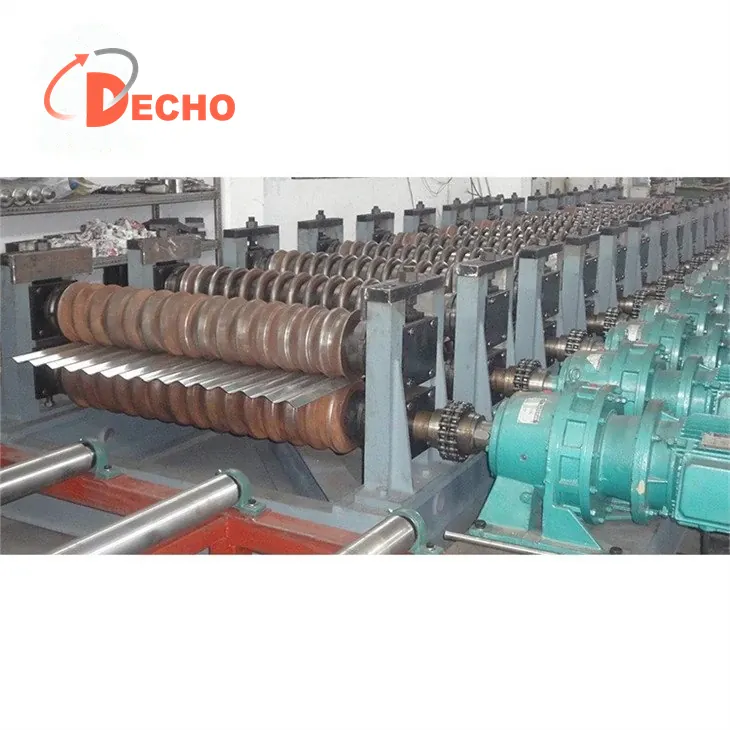
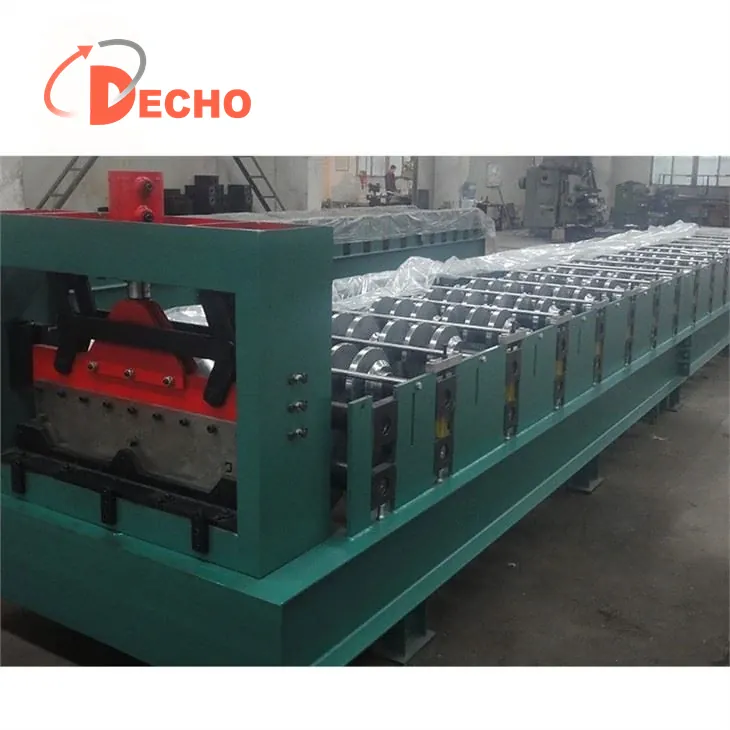
- Sheet Metal Roll Forming Machines: These machines are used to produce various types of sheet metal products, such as roofing sheets, wall panels, and gutters. They can handle different materials, such as steel, aluminum, and copper, and can produce a wide range of profiles and shapes.
- Silo Roll Forming Machine: Our silo roll forming machines are designed to produce high-quality steel silos for storing grains, cement, and other bulk materials. These machines can produce silos of different sizes and capacities, and can be customized to meet the specific requirements of our customers.
- CZ Purlin Roll Forming Machine: CZ purlin roll forming machines are used to produce C and Z-shaped purlins, which are widely used in the construction industry as structural components. These machines can produce purlins of different sizes and thicknesses, and can be equipped with various features, such as automatic cutting and punching.
Conclusion
In conclusion, stretching-forming machines are an essential tool in the manufacturing industry. They offer a cost-effective and efficient way to produce complex shapes with high precision and quality. By understanding the forming principle and the key components of these machines, you can make an informed decision when choosing a stretching-forming machine for your specific application.
If you're interested in learning more about our range of forming machines or have any questions about the stretching-forming process, please don't hesitate to contact us. We'd be happy to help you find the right machine for your needs and provide you with all the information and support you need.
References
- Smith, J. (2020). Forming Processes in Manufacturing. New York: McGraw-Hill.
- Jones, A. (2019). Stretching-Forming Technology: Principles and Applications. London: Elsevier.
- Brown, B. (2018). Advanced Manufacturing Techniques: Stretching and Shaping of Materials. Cambridge: Cambridge University Press.