Roll forming machines are versatile pieces of equipment widely used in various industries for shaping metal sheets into different profiles. As a roll forming machine supplier, I have witnessed firsthand the diverse range of profiles that these machines can produce. In this blog, I will explore some of the most common types of profiles that a roll forming machine can create, highlighting their applications and benefits.
Metal Stud Profiles
Metal studs are essential components in the construction industry, used for framing walls, partitions, and ceilings. Metal Stud Roll Forming Machine can produce a variety of metal stud profiles, including C-studs, U-channels, and track profiles. These profiles are typically made from galvanized steel, which provides excellent strength and corrosion resistance.
C-studs are the most common type of metal stud profile, characterized by their C-shaped cross-section. They are used as vertical supports in wall framing, providing structural stability and support for drywall, insulation, and other building materials. U-channels, on the other hand, are used as horizontal tracks to support the C-studs and provide a stable base for the wall framing. Track profiles are similar to U-channels but are typically wider and used for larger-scale construction projects.
The benefits of using metal studs over traditional wood studs include their lightweight, durability, and fire resistance. Metal studs are also less prone to warping, shrinking, and rot, making them a more reliable and long-lasting option for construction projects. Additionally, metal studs can be easily customized to fit specific project requirements, allowing for greater flexibility and efficiency in the construction process.
Roller Shutter Door Profiles
Roller shutter doors are commonly used in commercial and industrial buildings for security and access control. Roller Shutter Door Machine can produce a variety of roller shutter door profiles, including single-skin, double-skin, and insulated profiles. These profiles are typically made from aluminum or steel, which provides excellent strength and durability.
Single-skin roller shutter door profiles are the most basic type of profile, consisting of a single layer of metal. They are lightweight and cost-effective, making them a popular choice for small to medium-sized commercial and industrial buildings. Double-skin roller shutter door profiles, on the other hand, consist of two layers of metal with an insulating material in between. They provide better insulation and noise reduction than single-skin profiles, making them a more suitable option for larger-scale commercial and industrial buildings. Insulated roller shutter door profiles are similar to double-skin profiles but are designed to provide even better insulation and energy efficiency.
The benefits of using roller shutter doors over traditional doors include their compact design, easy installation, and low maintenance requirements. Roller shutter doors can be easily opened and closed using a motorized mechanism, providing convenient access to the building. They are also more secure than traditional doors, as they are made from strong and durable materials and can be fitted with locks and alarms for added security.
Corrugated Profiles
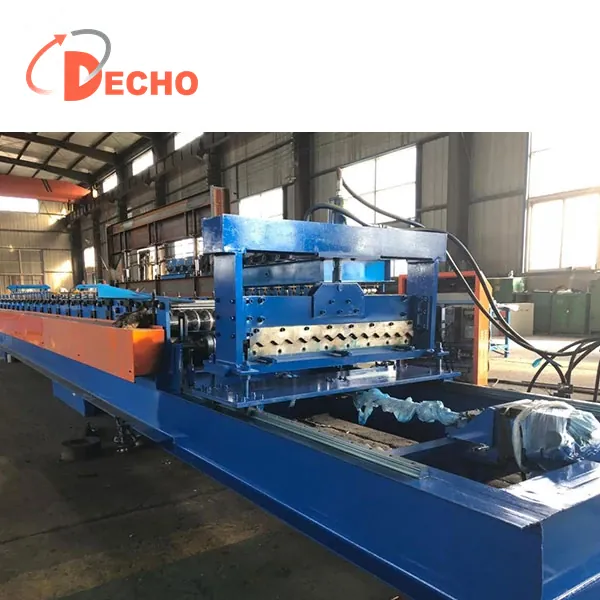
Corrugated profiles are commonly used in the roofing and wall cladding industries for their strength, durability, and aesthetic appeal. Corrugated Forming Machine can produce a variety of corrugated profiles, including sinusoidal, trapezoidal, and box profiles. These profiles are typically made from galvanized steel, aluminum, or stainless steel, which provides excellent corrosion resistance and weatherability.
Sinusoidal corrugated profiles are the most common type of corrugated profile, characterized by their wave-like shape. They are used for roofing and wall cladding applications, providing excellent strength and durability. Trapezoidal corrugated profiles are similar to sinusoidal profiles but have a more angular shape. They are typically used for larger-scale roofing and wall cladding projects, providing better load-bearing capacity and wind resistance. Box corrugated profiles are the most complex type of corrugated profile, characterized by their rectangular shape. They are used for specialized roofing and wall cladding applications, providing excellent insulation and noise reduction.
The benefits of using corrugated profiles over traditional roofing and wall cladding materials include their lightweight, durability, and ease of installation. Corrugated profiles are also more cost-effective than traditional materials, as they require less material and labor to install. Additionally, corrugated profiles can be easily customized to fit specific project requirements, allowing for greater flexibility and efficiency in the construction process.
Other Profiles
In addition to the profiles mentioned above, roll forming machines can also produce a variety of other profiles, including decking profiles, purlin profiles, and gutter profiles. Decking profiles are commonly used in the construction of floors and decks, providing a stable and durable surface for walking and working. Purlin profiles are used as horizontal supports in roofing and wall framing, providing structural stability and support for the roofing and wall cladding. Gutter profiles are used for collecting and directing rainwater away from the building, preventing water damage and leaks.
The benefits of using these profiles include their lightweight, durability, and ease of installation. They are also more cost-effective than traditional materials, as they require less material and labor to install. Additionally, these profiles can be easily customized to fit specific project requirements, allowing for greater flexibility and efficiency in the construction process.
Conclusion
In conclusion, roll forming machines are versatile pieces of equipment that can produce a wide range of profiles for various industries. As a roll forming machine supplier, I am committed to providing high-quality machines and excellent customer service to meet the needs of my clients. Whether you are looking for a metal stud roll forming machine, a roller shutter door machine, a corrugated forming machine, or any other type of roll forming machine, I can help you find the right solution for your project.
If you are interested in learning more about our roll forming machines or would like to discuss your specific project requirements, please feel free to contact me. I would be happy to answer any questions you may have and provide you with a free quote. Let's work together to create the perfect solution for your business.
References
- "Roll Forming Technology" by John R. Walker
- "Metal Building Systems" by Ronald E. Klemencic
- "Roofing and Wall Cladding" by David B. Stein