As a rollformer supplier, I often receive inquiries from customers about various aspects of rollforming machines. One question that comes up quite frequently is about the noise level of a rollformer. In this blog post, I'll delve into the factors that affect the noise level of rollformers, typical noise levels, and how to manage and reduce noise in a rollforming environment.
Factors Affecting the Noise Level of a Rollformer
Machine Design and Construction
The design and construction of a rollformer play a significant role in determining its noise level. Rollformers with high - quality components and precise engineering tend to produce less noise. For example, machines with well - machined rollers and gears fit together more smoothly, reducing the vibrations and impacts that generate noise. In contrast, poorly constructed rollformers may have loose parts or uneven surfaces, which can lead to increased noise during operation.
Material Being Processed
The type of material being rollformed also affects the noise level. Harder materials, such as high - strength steel, require more force to shape. When the rollformer applies this force, it can create louder noises compared to softer materials like aluminum. Additionally, the thickness of the material matters. Thicker materials generally need more energy to deform, resulting in higher noise levels.
Speed of Operation
The operating speed of the rollformer is another crucial factor. As the speed increases, the frequency and intensity of the mechanical interactions within the machine also rise. This means that a rollformer running at a high speed will typically produce more noise than one operating at a lower speed. For instance, if a rollformer is set to produce a large number of parts per minute, the rapid movement of the rollers and the continuous feeding of the material can generate a significant amount of noise.
Typical Noise Levels of Rollformers
The noise level of a rollformer can vary widely depending on the factors mentioned above. On average, a standard rollformer operating at a moderate speed and processing common materials like mild steel may produce noise levels in the range of 70 - 85 decibels (dB). To put this into perspective, normal conversation typically occurs at around 60 dB, while a vacuum cleaner operates at about 70 - 80 dB.
However, in some cases, especially when dealing with high - speed rollforming of hard materials, the noise level can exceed 90 dB. Prolonged exposure to noise levels above 85 dB can cause hearing damage, so it's essential to take appropriate measures to protect workers in a rollforming environment.
Measuring the Noise Level of a Rollformer
To accurately measure the noise level of a rollformer, a sound level meter is used. This device can measure the intensity of sound in decibels. When taking measurements, it's important to follow proper procedures. The sound level meter should be placed at a specific distance from the rollformer, usually at ear - level of the operator. Multiple measurements should be taken at different points around the machine to get a comprehensive understanding of the noise distribution.
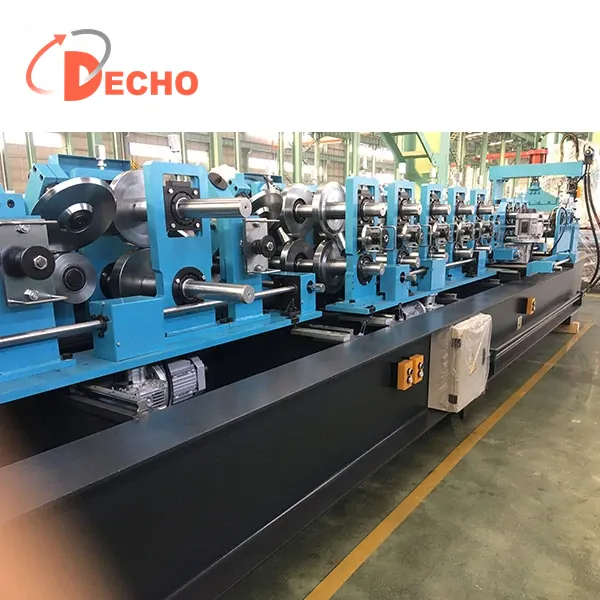
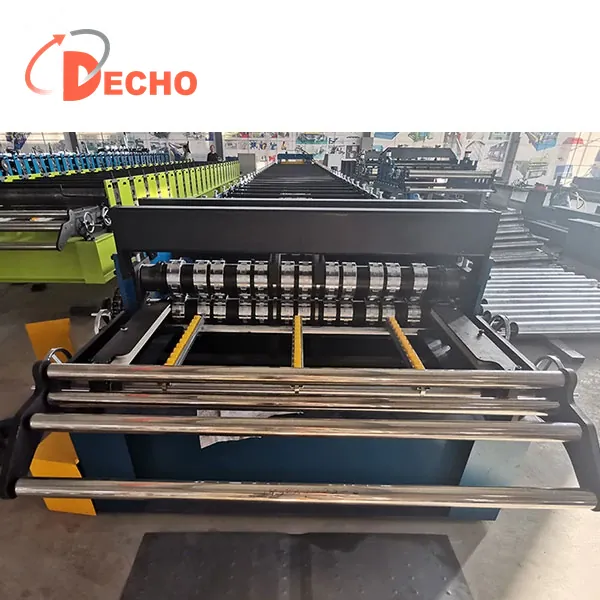
Managing and Reducing Noise in a Rollforming Environment
Machine Maintenance
Regular maintenance is key to keeping the noise level of a rollformer under control. This includes lubricating moving parts, tightening loose bolts, and replacing worn - out components. By ensuring that the machine is in good working condition, the amount of vibration and noise generated can be significantly reduced. For example, proper lubrication of the gears can minimize the friction between them, resulting in quieter operation.
Soundproofing
Installing soundproofing materials in the rollforming area can help to reduce the noise level. Acoustic panels can be placed on the walls and ceilings of the workshop. These panels absorb sound waves, preventing them from bouncing around the room and reducing the overall noise level. Additionally, enclosing the rollformer in a sound - proof cabinet can be an effective solution, especially for smaller machines.
Speed Adjustment
As mentioned earlier, the operating speed of the rollformer affects the noise level. By adjusting the speed to a lower setting when possible, the noise generated can be reduced. This may mean sacrificing some production speed, but it can be a worthwhile trade - off in terms of noise reduction and worker safety.
Rollformer Applications and Noise Considerations
Rollformers are used in a variety of industries, each with its own specific noise requirements. For example, in the construction industry, rollformers are used to produce Roof Sheet Making Machine, Deck Roll Forming Machine, and Purlin Making Machine. In a construction site, noise may not be as strictly regulated as in a factory environment, but it's still important to keep the noise level in check to avoid disturbing nearby residents or workers.
In a manufacturing plant, where multiple rollformers may be operating simultaneously, the cumulative noise can be a significant issue. In such cases, more comprehensive noise - reduction measures, such as a centralized soundproofing system and strict speed controls, may be necessary.
Importance of Addressing Noise Levels
Addressing the noise level of rollformers is not only about complying with safety regulations but also about improving the working environment. High noise levels can cause stress, fatigue, and hearing loss among workers. By reducing the noise, employers can enhance the well - being of their employees, leading to increased productivity and job satisfaction.
Moreover, in some regions, there are strict environmental and safety regulations regarding noise emissions. Failure to comply with these regulations can result in fines and legal issues for the company. Therefore, it's in the best interest of rollformer suppliers and users to manage and reduce the noise level of their machines.
Contact for Rollformer Purchase and Consultation
If you're in the market for a rollformer and have concerns about noise levels or any other aspects of the machine, I'm here to help. As a rollformer supplier, I can provide you with detailed information about the noise characteristics of our products and offer solutions to meet your specific requirements. Whether you need a Roof Sheet Making Machine, a Deck Roll Forming Machine, or a Purlin Making Machine, I can assist you in making the right choice. Feel free to reach out to discuss your needs and start the procurement process.
References
- "Industrial Noise Control and Acoustics" by Clarence W. DeJong
- "Handbook of Noise Measurement" by GenRad Inc.
- Occupational Safety and Health Administration (OSHA) guidelines on noise exposure in the workplace