As a seasoned supplier of Metal Roll Forming Machines, I've witnessed firsthand the pivotal role that the pressure system plays in the functionality and efficiency of these remarkable pieces of equipment. In this blog, I'll delve into the intricacies of the pressure system of a metal roll forming machine, exploring its components, functions, and the impact it has on the overall performance of the machine.
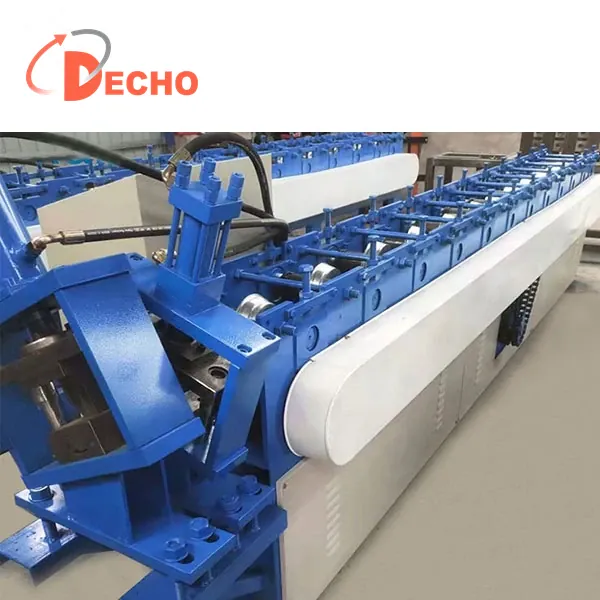
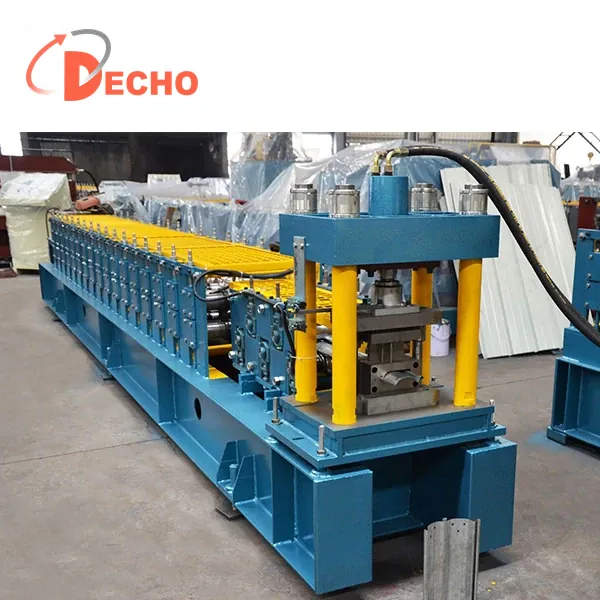
Understanding the Basics of a Metal Roll Forming Machine
Before we dive into the pressure system, let's briefly recap what a metal roll forming machine does. A metal roll forming machine is a piece of equipment that transforms flat metal sheets into various shapes and profiles through a series of consecutive rolling operations. These machines are widely used in industries such as construction, automotive, and manufacturing to produce a diverse range of products, including Box Beam Roll Forming Machine, Roof Tile Making Machine, and Rolling Shutter Roll Forming Machine.
Components of the Pressure System
The pressure system of a metal roll forming machine consists of several key components, each playing a crucial role in ensuring the proper functioning of the machine. These components include:
Hydraulic Cylinders
Hydraulic cylinders are the heart of the pressure system. They are responsible for applying the necessary force to the metal sheets as they pass through the roll forming process. The hydraulic cylinders are typically powered by a hydraulic pump, which generates the pressure required to move the pistons within the cylinders. The force exerted by the hydraulic cylinders can be adjusted to accommodate different types of metal sheets and profiles, allowing for precise control over the forming process.
Pressure Gauges
Pressure gauges are used to monitor the pressure within the hydraulic system. They provide real-time feedback on the pressure levels, allowing operators to ensure that the system is operating within the specified parameters. By monitoring the pressure gauges, operators can detect any potential issues or abnormalities in the system and take appropriate action to prevent damage to the machine or the metal sheets being formed.
Valves
Valves are used to control the flow of hydraulic fluid within the system. They regulate the pressure and direction of the fluid, allowing for precise control over the movement of the hydraulic cylinders. There are several types of valves used in the pressure system of a metal roll forming machine, including directional control valves, pressure control valves, and flow control valves. Each type of valve serves a specific purpose and is essential for the proper functioning of the system.
Hydraulic Pump
The hydraulic pump is responsible for generating the pressure required to operate the hydraulic cylinders. It draws hydraulic fluid from a reservoir and pumps it into the system at a high pressure. The hydraulic pump can be powered by an electric motor or a diesel engine, depending on the specific requirements of the machine. The size and capacity of the hydraulic pump are determined by the size and complexity of the roll forming machine, as well as the type of metal sheets being formed.
Functions of the Pressure System
The pressure system of a metal roll forming machine serves several important functions, including:
Forming the Metal Sheets
The primary function of the pressure system is to apply the necessary force to the metal sheets as they pass through the roll forming process. The hydraulic cylinders exert pressure on the metal sheets, causing them to deform and take on the desired shape and profile. The amount of pressure required depends on several factors, including the thickness and type of metal sheet, the complexity of the profile, and the speed of the machine.
Maintaining Consistent Quality
The pressure system plays a crucial role in maintaining consistent quality in the formed metal sheets. By applying a consistent amount of pressure throughout the roll forming process, the system ensures that the metal sheets are formed to the same specifications every time. This helps to minimize variations in the finished products and ensures that they meet the required quality standards.
Preventing Material Defects
The pressure system also helps to prevent material defects in the formed metal sheets. By applying the right amount of pressure, the system ensures that the metal sheets are formed without any cracks, wrinkles, or other defects. This helps to improve the strength and durability of the finished products and reduces the likelihood of them failing during use.
Improving Efficiency
The pressure system can also help to improve the efficiency of the roll forming process. By applying the necessary force quickly and accurately, the system allows for faster production speeds and higher throughput. This helps to reduce production costs and increase the overall profitability of the manufacturing operation.
Impact of the Pressure System on Machine Performance
The pressure system has a significant impact on the overall performance of a metal roll forming machine. A well-designed and properly maintained pressure system can improve the quality of the formed metal sheets, increase the efficiency of the machine, and reduce the likelihood of breakdowns and downtime. On the other hand, a poorly designed or malfunctioning pressure system can lead to a variety of problems, including:
Inconsistent Forming
If the pressure system is not applying a consistent amount of pressure throughout the roll forming process, the metal sheets may be formed unevenly. This can result in variations in the finished products, such as differences in thickness, width, or shape. Inconsistent forming can also lead to material defects, such as cracks or wrinkles, which can reduce the strength and durability of the finished products.
Material Damage
If the pressure system is applying too much pressure to the metal sheets, it can cause them to crack or break. This can result in material waste and increased production costs. On the other hand, if the pressure system is not applying enough pressure, the metal sheets may not be formed properly, which can also lead to material defects and reduced product quality.
Machine Breakdowns
A malfunctioning pressure system can also cause the machine to break down. For example, if a hydraulic cylinder fails or a valve malfunctions, it can cause the machine to stop working. This can result in costly downtime and lost production. Regular maintenance and inspection of the pressure system can help to prevent these types of breakdowns and ensure that the machine is operating at peak performance.
Maintaining the Pressure System
To ensure the proper functioning of the pressure system of a metal roll forming machine, it is important to perform regular maintenance and inspection. This includes:
Checking the Hydraulic Fluid
The hydraulic fluid is the lifeblood of the pressure system. It lubricates the moving parts, transfers heat, and provides the necessary pressure to operate the hydraulic cylinders. Over time, the hydraulic fluid can become contaminated with dirt, debris, and other impurities, which can affect its performance. It is important to check the hydraulic fluid regularly and change it as needed to ensure that it is clean and free of contaminants.
Inspecting the Hydraulic Cylinders
The hydraulic cylinders are the most critical components of the pressure system. They are subject to a lot of wear and tear, and over time, they can develop leaks or other problems. It is important to inspect the hydraulic cylinders regularly for signs of damage or wear, such as leaks, cracks, or excessive wear on the seals. If any problems are detected, the hydraulic cylinders should be repaired or replaced immediately to prevent further damage to the system.
Testing the Valves
The valves are responsible for controlling the flow of hydraulic fluid within the system. They can become clogged or damaged over time, which can affect their performance. It is important to test the valves regularly to ensure that they are functioning properly. This can be done using a pressure gauge or other testing equipment. If any problems are detected, the valves should be cleaned or replaced as needed.
Calibrating the Pressure Gauges
The pressure gauges are used to monitor the pressure within the hydraulic system. They can become inaccurate over time, which can lead to incorrect readings and potential problems with the system. It is important to calibrate the pressure gauges regularly to ensure that they are providing accurate readings. This can be done using a calibrated pressure gauge or other testing equipment.
Conclusion
The pressure system of a metal roll forming machine is a critical component that plays a crucial role in the functionality and efficiency of the machine. By understanding the components, functions, and impact of the pressure system, operators can ensure that the machine is operating at peak performance and producing high-quality formed metal sheets. Regular maintenance and inspection of the pressure system are essential to prevent breakdowns and ensure the long-term reliability of the machine.
If you're in the market for a metal roll forming machine or need more information about the pressure system, please don't hesitate to contact us. Our team of experts is here to help you find the right machine for your specific needs and provide you with the support and guidance you need to get the most out of your investment.
References
- [Metal Roll Forming Technology Handbook](Author, Publisher, Year)
- [Hydraulic System Design and Maintenance Guide](Author, Publisher, Year)
- [Roll Forming Machine Operation Manual](Manufacturer, Year)