Power consumption is a crucial factor to consider when investing in industrial equipment, especially for businesses aiming to optimize operational costs and enhance energy efficiency. As a leading supplier of steel frame rollformers, I understand the significance of providing detailed information about power consumption to our clients. In this blog, we'll delve into the power consumption of steel frame rollformers, exploring the factors that influence it and how you can manage it effectively.
Understanding Steel Frame Rollformers
Before we discuss power consumption, let's briefly understand what a steel frame rollformer is. A steel frame rollformer is a machine that transforms flat metal sheets into various shapes and profiles by passing them through a series of rollers. These machines are widely used in the construction, automotive, and manufacturing industries to produce components such as steel frames, roofing panels, and guardrails.
Factors Affecting Power Consumption
The power consumption of a steel frame rollformer can vary significantly depending on several factors. Here are some of the key factors that influence power consumption:
Machine Size and Capacity
Larger rollformers with higher production capacities generally require more power to operate. This is because they have more motors, larger rollers, and more complex mechanisms to handle thicker and wider metal sheets. For example, a high-speed rollformer designed to produce large quantities of steel frames per hour will consume more power than a smaller, slower machine.
Material Thickness and Type
The thickness and type of the metal sheet being processed also play a significant role in power consumption. Thicker and harder materials require more force to shape, which means the rollformer's motors need to work harder and consume more power. For instance, processing stainless steel or high-strength steel will typically consume more power than processing mild steel.
Operating Speed
The speed at which the rollformer operates can have a direct impact on power consumption. Running the machine at a higher speed generally requires more power, as the motors need to work faster to maintain the desired production rate. However, it's important to note that increasing the speed doesn't always result in a proportional increase in power consumption. Some rollformers are designed to operate more efficiently at higher speeds, so it's essential to consider the machine's specifications and performance characteristics.
Motor Efficiency
The efficiency of the motors used in the rollformer is another critical factor. High-efficiency motors convert more electrical energy into mechanical energy, resulting in lower power consumption. When choosing a rollformer, it's advisable to look for machines equipped with energy-efficient motors to reduce operating costs in the long run.
Calculating Power Consumption
Calculating the power consumption of a steel frame rollformer can be a complex process, as it depends on multiple variables. However, a rough estimate can be obtained by considering the machine's rated power and the operating time.
The rated power of a rollformer is usually specified by the manufacturer and is measured in kilowatts (kW). To calculate the energy consumption (in kilowatt-hours, kWh) for a given period, you can use the following formula:
Energy Consumption (kWh) = Rated Power (kW) x Operating Time (hours)
For example, if a rollformer has a rated power of 10 kW and operates for 8 hours a day, the daily energy consumption would be:
Energy Consumption = 10 kW x 8 hours = 80 kWh
It's important to note that this is a simplified calculation and the actual power consumption may vary depending on the factors mentioned earlier.
Strategies to Reduce Power Consumption
Reducing power consumption not only helps to lower operating costs but also contributes to environmental sustainability. Here are some strategies that can help you reduce the power consumption of your steel frame rollformer:
Optimize Machine Settings
Adjusting the machine settings, such as the operating speed and pressure, can significantly reduce power consumption. By running the rollformer at the optimal speed and pressure for the specific material being processed, you can minimize the amount of energy required to shape the metal sheets.
Maintain the Machine Regularly
Regular maintenance is essential to ensure the efficient operation of the rollformer. Keeping the rollers clean, lubricated, and properly aligned can reduce friction and wear, which in turn reduces power consumption. Additionally, replacing worn-out parts in a timely manner can prevent the machine from working harder than necessary.
Use Energy-Efficient Equipment
As mentioned earlier, choosing a rollformer equipped with high-efficiency motors and other energy-saving features can significantly reduce power consumption. Some modern rollformers are designed with advanced control systems that automatically adjust the power consumption based on the load and operating conditions.
Implement a Power Management System
A power management system can help you monitor and control the power consumption of your rollformer. These systems can provide real-time data on energy usage, allowing you to identify areas where energy can be saved. Additionally, they can be programmed to automatically shut down the machine when it's not in use, further reducing energy waste.
Related Products and Their Power Consumption
In addition to steel frame rollformers, we also offer a range of other roll forming machines, each with its own power consumption characteristics. Here are some examples:
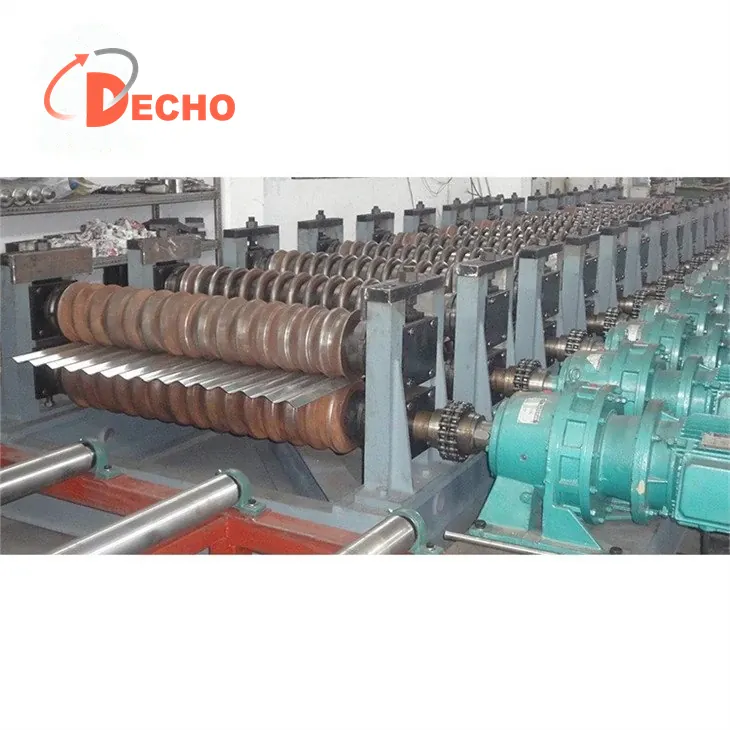
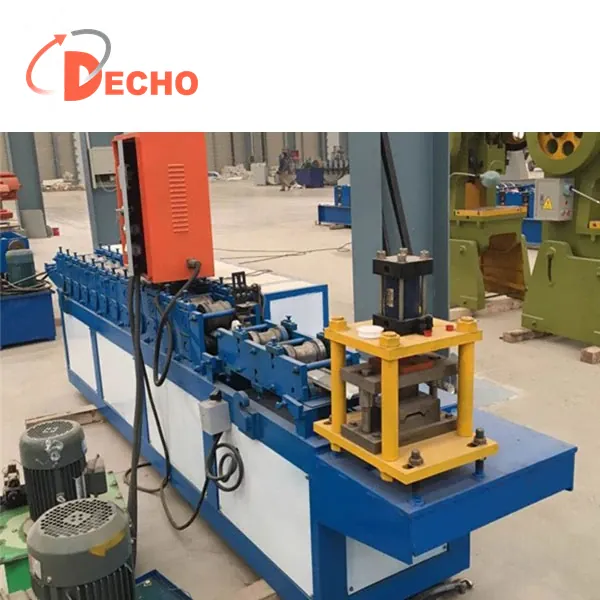
- Guardrail Roll Forming Machine: Guardrail roll forming machines are used to produce guardrails for roads, bridges, and other infrastructure projects. The power consumption of these machines depends on factors such as the size and thickness of the guardrail profiles being produced.
- Roller Shutter Forming Machine: Roller shutter forming machines are used to manufacture roller shutters for doors and windows. These machines typically have a lower power consumption compared to larger rollformers, as they are designed to process thinner metal sheets.
- Silo Roll Forming Machine: Silo roll forming machines are used to produce steel silos for storing grains, cement, and other bulk materials. The power consumption of these machines can be relatively high, as they need to handle large and thick metal sheets to form the silo walls.
Conclusion
Understanding the power consumption of a steel frame rollformer is essential for businesses looking to optimize their operational costs and improve energy efficiency. By considering the factors that influence power consumption, calculating the energy usage, and implementing strategies to reduce it, you can ensure that your rollformer operates in the most cost-effective and sustainable manner.
If you're interested in learning more about our steel frame rollformers or any of our other roll forming machines, please don't hesitate to contact us. Our team of experts is ready to assist you in choosing the right machine for your specific needs and provide you with detailed information about power consumption and energy-saving solutions. Let's work together to achieve your production goals while minimizing your environmental impact.
References
- Smith, J. (2020). Industrial Roll Forming Technology. New York: Industrial Press Inc.
- Johnson, R. (2019). Energy Efficiency in Manufacturing. London: Routledge.