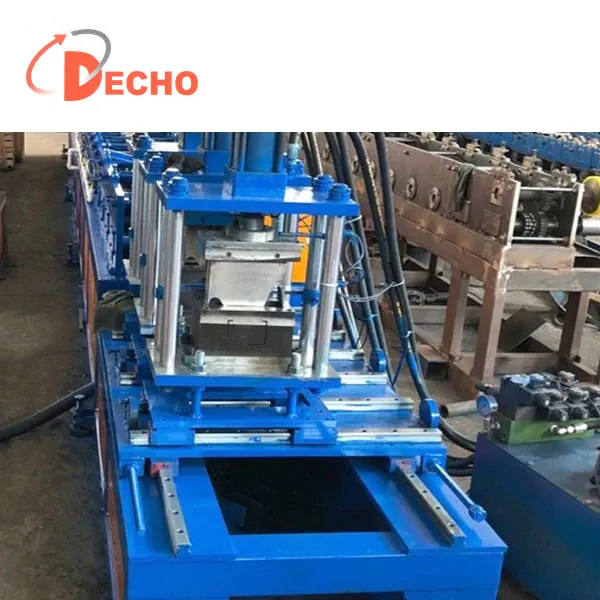
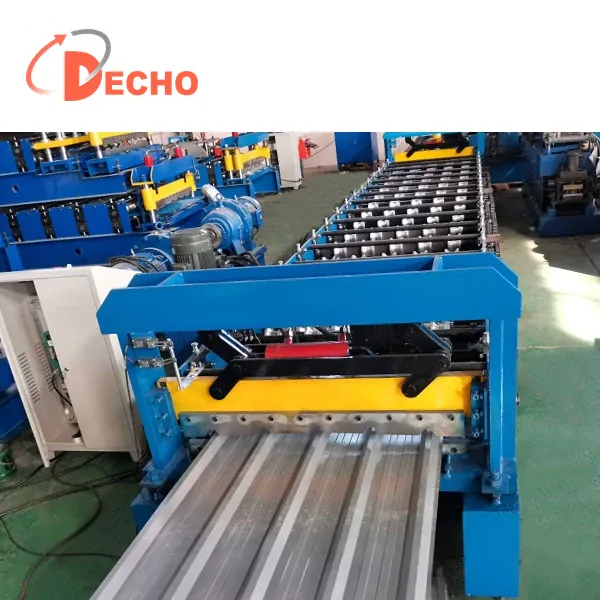
Hey there! As a supplier of roll forming machines, I know firsthand how crucial it is to ensure the safety of workers around these powerful pieces of equipment. Roll forming machines are used in various industries to shape metal sheets into different profiles, like those used in Metal Roof Forming Machine, Rolling Shutter Door Machine, and Corrugated Forming Machine. But with great power comes great responsibility, and safety should always be our top priority. So, let's dive into some practical tips on how to keep your workers safe around a roll forming machine.
1. Proper Training
The first step in ensuring worker safety is to provide comprehensive training. Workers should be well-versed in how the roll forming machine operates, including its controls, safety features, and potential hazards. This training should cover both theoretical knowledge and hands-on practice.
- Theoretical Training: Start with classroom sessions where workers learn about the machine's components, how it functions, and the safety protocols. Explain the importance of following safety procedures and the consequences of not doing so.
- Hands - on Training: Let workers operate the machine under the supervision of an experienced trainer. This hands - on experience will help them get familiar with the machine's operation and build confidence.
Regular refresher courses should also be provided to keep workers updated on the latest safety practices and any changes in the machine's operation.
2. Machine Maintenance
A well - maintained roll forming machine is less likely to cause accidents. Regular maintenance helps identify and fix potential problems before they turn into serious safety hazards.
- Daily Inspections: Workers should conduct daily inspections of the machine before starting their shift. Check for loose parts, damaged belts, and any signs of wear and tear. Make sure all safety guards are in place and functioning properly.
- Scheduled Maintenance: Set up a regular maintenance schedule for the roll forming machine. This may include lubricating moving parts, checking electrical connections, and calibrating the machine. Follow the manufacturer's recommendations for maintenance intervals and procedures.
3. Safety Equipment
Providing appropriate safety equipment is essential for protecting workers around a roll forming machine.
- Personal Protective Equipment (PPE): Workers should wear PPE such as safety glasses, gloves, and ear protection. Safety glasses protect the eyes from flying debris, gloves prevent cuts and abrasions, and ear protection reduces the risk of hearing damage from the machine's noise.
- Machine Safety Features: Ensure that the roll forming machine is equipped with safety features such as emergency stop buttons, safety guards, and interlocks. Emergency stop buttons should be easily accessible and clearly marked. Safety guards prevent workers from coming into contact with moving parts, and interlocks prevent the machine from operating if the guards are open.
4. Workplace Organization
A well - organized workplace can significantly reduce the risk of accidents around a roll forming machine.
- Clear Workspace: Keep the area around the machine clean and free of clutter. Remove any unnecessary tools, materials, or debris. This will prevent workers from tripping over objects and make it easier to operate the machine.
- Proper Material Handling: Use proper material handling techniques when loading and unloading metal sheets from the machine. This may include using forklifts or other lifting equipment to move heavy materials. Make sure the materials are stored in a stable and organized manner to prevent them from falling or shifting.
5. Risk Assessment
Conducting a risk assessment is an important part of ensuring worker safety around a roll forming machine.
- Identify Hazards: Look for potential hazards associated with the machine's operation, such as moving parts, sharp edges, and electrical hazards. Consider the work environment, including factors like noise, dust, and ventilation.
- Evaluate Risks: Assess the likelihood and severity of each hazard. Determine the level of risk and prioritize the hazards based on their significance.
- Implement Controls: Develop and implement control measures to eliminate or reduce the identified risks. This may include engineering controls (such as modifying the machine), administrative controls (such as changing work procedures), and personal protective equipment.
6. Emergency Preparedness
Even with all the safety measures in place, emergencies can still happen. Having an emergency preparedness plan is crucial for minimizing the impact of an accident.
- Emergency Response Plan: Develop an emergency response plan that outlines the steps to be taken in case of an accident, such as a fire, electrical shock, or a machine malfunction. The plan should include evacuation routes, emergency contact information, and procedures for providing first aid.
- Training on Emergency Procedures: Train workers on the emergency response plan and conduct regular drills. This will ensure that workers know what to do in case of an emergency and can respond quickly and effectively.
7. Communication
Effective communication is key to ensuring worker safety around a roll forming machine.
- Internal Communication: Encourage open communication between workers, supervisors, and management. Workers should feel comfortable reporting any safety concerns or near - misses. Supervisors should be responsive to these reports and take appropriate action.
- External Communication: If there are any changes in the machine's operation or safety procedures, communicate these changes to all relevant parties, including workers, suppliers, and customers.
8. Monitoring and Evaluation
Regular monitoring and evaluation of safety measures are necessary to ensure their effectiveness.
- Safety Audits: Conduct regular safety audits of the workplace to assess compliance with safety procedures and identify areas for improvement. These audits can be conducted internally or by an external safety consultant.
- Incident Analysis: Analyze any accidents or near - misses that occur around the roll forming machine. Determine the root cause of the incident and take steps to prevent similar incidents from happening in the future.
By following these tips, you can significantly reduce the risk of accidents and ensure the safety of workers around a roll forming machine. At our company, we are committed to providing high - quality roll forming machines and supporting our customers in implementing effective safety measures.
If you're in the market for a roll forming machine, whether it's a Metal Roof Forming Machine, Rolling Shutter Door Machine, or Corrugated Forming Machine, we'd love to have a chat with you. Contact us to discuss your specific needs and let's work together to find the perfect solution for your business.
References
- Occupational Safety and Health Administration (OSHA) guidelines on industrial machinery safety.
- Manufacturer's manuals for roll forming machines.
- Industry best practices for workplace safety in metalworking industries.