As a seasoned supplier of gutter forming machines, I've witnessed firsthand the diverse needs and preferences of our customers. One of the most common questions we receive is about the differences between various models of gutter forming machines. In this blog post, I'll delve into the key distinctions to help you make an informed decision when choosing the right machine for your project.
1. Production Capacity
One of the primary factors that differentiate gutter forming machine models is their production capacity. Smaller, entry - level models are typically designed for low - volume production. These machines can produce around 10 to 20 linear feet of gutters per minute. They are ideal for small contractors or DIY enthusiasts who need to produce gutters in limited quantities, perhaps for a single home renovation project or a small local job.
On the other hand, industrial - grade gutter forming machines are built for high - volume production. These heavy - duty models can churn out 30 to 60 linear feet of gutters per minute or even more, depending on the specific design and configuration. They are often used by large roofing and construction companies that handle multiple large - scale projects simultaneously. For instance, a company responsible for roofing an entire housing development would benefit greatly from an industrial - capacity gutter forming machine to meet the high demand for gutters in a timely manner.
2. Gutter Profile Options
Another significant difference lies in the types of gutter profiles that each machine can produce. Some basic models are limited to a single standard gutter profile, such as the K - style or the half - round style. These machines are great for those who have a consistent need for a particular type of gutter. For example, in areas where the K - style gutter is the industry standard due to its aesthetic appeal and efficient water - handling capabilities, a machine that specializes in K - style gutters would be a practical choice.
More advanced gutter forming machines, however, offer multiple profile options. They can switch between different gutter profiles with relative ease, usually by changing the forming rolls. This versatility is a major advantage for contractors who work on a variety of projects in different regions or for clients with diverse aesthetic and functional requirements. A machine that can produce both K - style and half - round gutters gives the contractor the flexibility to meet any customer's needs without having to invest in multiple machines.
3. Material Compatibility
The materials that a gutter forming machine can work with also vary among different models. Entry - level machines are often designed to handle only one type of material, most commonly aluminum. Aluminum is a popular choice for gutters because it is lightweight, corrosion - resistant, and relatively inexpensive. These machines are well - suited for projects where aluminum gutters are the norm, such as residential construction in many areas.
In contrast, more sophisticated models can process a wider range of materials. They can work with materials like steel, copper, and even vinyl. Steel gutters are known for their strength and durability, making them a good option for commercial buildings or areas with harsh weather conditions. Copper gutters, on the other hand, offer a unique and elegant look, often used in high - end residential and historical restoration projects. A machine that can handle multiple materials provides greater flexibility for contractors to offer a wider range of gutter options to their clients.
4. Automation and Control Systems
The level of automation and the control systems in gutter forming machines can vary significantly. Basic models may have manual controls, where the operator has to adjust the machine settings, such as the length of the gutter, the speed of production, and the forming pressure, by hand. These machines require a certain level of skill and experience to operate effectively. While they are more affordable, they may not be the most efficient for large - scale production as they rely heavily on the operator's attention and precision.
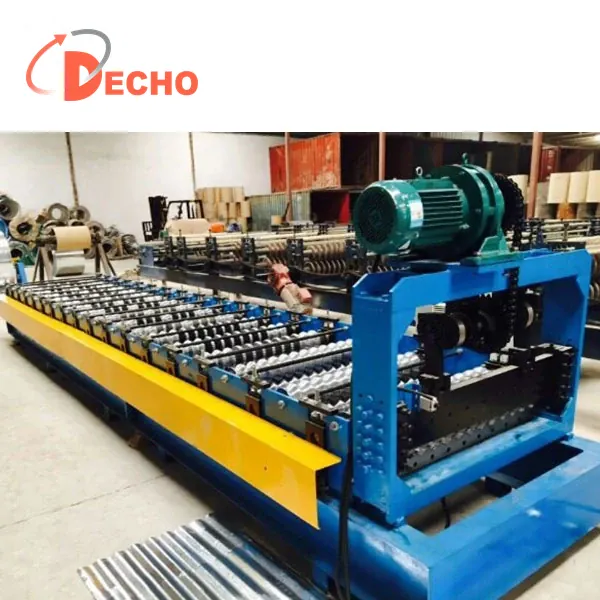
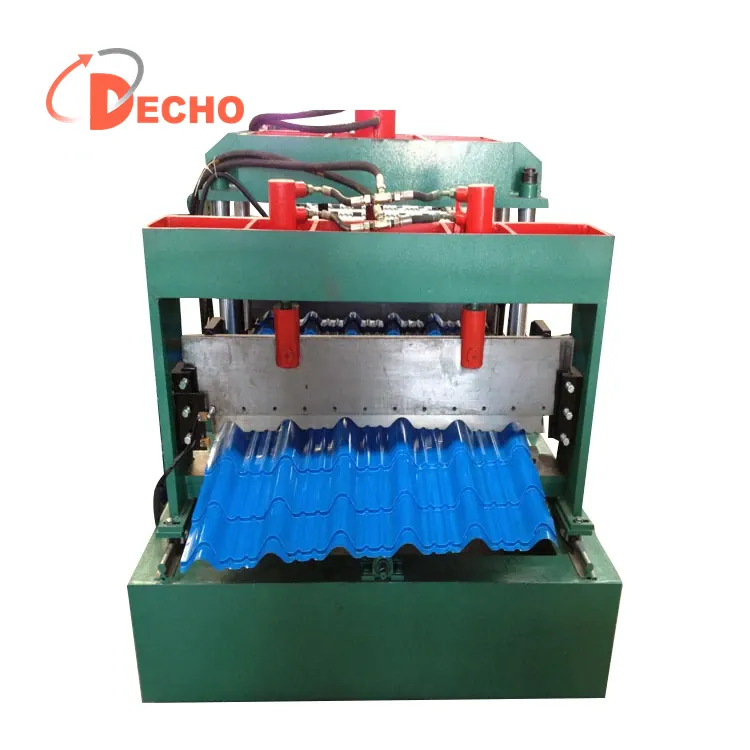
Advanced machines, on the other hand, come equipped with automated control systems. These systems can be programmed to perform various functions automatically. For example, they can cut the gutters to a pre - set length, adjust the forming process based on the material and profile, and even monitor the production process for quality control. Some machines are integrated with computer numerical control (CNC) technology, which allows for highly precise and repeatable production. This automation not only increases productivity but also reduces the margin of error, resulting in higher - quality gutters.
5. Size and Portability
The physical size and portability of gutter forming machines are also important considerations. Compact and portable models are available for contractors who need to move the machine from one job site to another frequently. These machines are usually lightweight and can be easily transported in a standard work truck. They are a great option for small - to - medium - sized contractors who work on a variety of projects in different locations.
Larger, stationary machines, on the other hand, are designed for in - house production in a factory or a workshop setting. These machines are often larger in size and heavier, and they require a dedicated space with proper power and ventilation systems. They are more suitable for large - scale manufacturers or companies that have a central production facility and do not need to move the machine around.
6. Cost
Cost is always a crucial factor when choosing a gutter forming machine. Entry - level machines are generally more affordable, with prices ranging from a few thousand dollars to around ten thousand dollars. These machines are a good starting point for new contractors or those on a tight budget. They offer basic functionality and can meet the needs of small - scale projects.
Industrial - grade and high - end machines, however, come with a higher price tag. They can cost anywhere from tens of thousands of dollars to over a hundred thousand dollars, depending on their features, production capacity, and level of automation. While the initial investment is significant, these machines offer long - term benefits in terms of increased productivity, versatility, and quality, which can lead to higher profits for the business in the long run.
Related Machines
If you're interested in other types of metal forming machines, we also offer Barrel Corrugation Machine, Corrugated Roll Forming Machine, and Metal Roof Making Machine. These machines are designed to meet different metal - working needs and can complement your gutter forming operations.
Conclusion
In conclusion, the differences between various models of gutter forming machines are vast and cover aspects such as production capacity, gutter profile options, material compatibility, automation, size, and cost. When choosing a gutter forming machine, it's essential to carefully evaluate your specific needs, the scale of your projects, and your budget. By understanding these differences, you can select the machine that will best serve your business and help you achieve your goals in the gutter production industry.
If you're interested in learning more about our gutter forming machines or have any questions regarding which model would be the most suitable for your needs, we encourage you to reach out to us. Our team of experts is ready to assist you in making an informed decision and can provide you with detailed information about our products and services. Whether you're a small - scale contractor or a large - scale manufacturer, we have the right gutter forming machine for you.
References
- "Metal Gutter Manufacturing: A Comprehensive Guide" - Industry handbook on gutter manufacturing processes and machine capabilities.
- "Advances in Gutter Forming Technology" - Research paper highlighting the latest developments in gutter forming machine design and functionality.