Hey there! As a sheet roll forming supplier, I often get asked about what materials can be used in sheet roll forming. Well, let me tell you, the options are pretty diverse, and in this blog, I'll break them down for you.
Steel
Steel is hands - down one of the most commonly used materials in sheet roll forming. It's tough, durable, and can withstand a lot of wear and tear. There are different types of steel available, too.
Carbon Steel
Carbon steel is a popular choice. It has a relatively high carbon content, which gives it strength. It's great for applications where you need a strong and rigid structure. For example, in the construction of buildings, carbon steel can be roll - formed into beams, columns, and other structural components. It can also be used in the manufacturing of automotive parts, like frames and brackets. The versatility of carbon steel makes it a go - to material for many roll - forming projects.
Stainless Steel
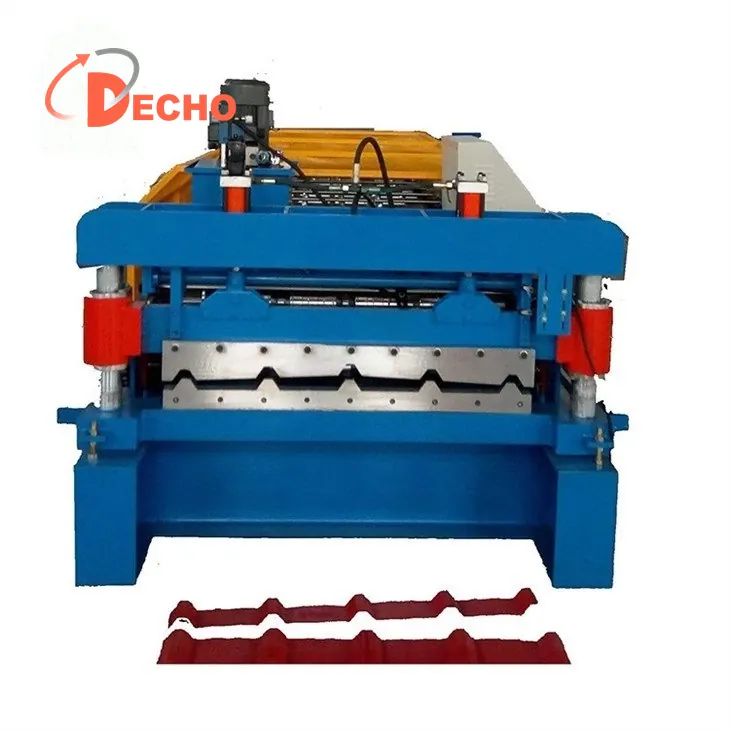
Stainless steel is another fantastic option. It's resistant to corrosion, which makes it ideal for outdoor applications or environments where there's a lot of moisture. Think about roofing systems, where stainless steel roll - formed sheets can last for decades without rusting. It's also used in the food and beverage industry because it's hygienic and easy to clean. You can check out our Roof Tile Machine to see how stainless steel can be transformed into beautiful and functional roof tiles.
Aluminum
Aluminum is lightweight but still has good strength. It's highly corrosion - resistant, just like stainless steel, but it's also more malleable. This means it can be easily formed into complex shapes during the roll - forming process.
Pure Aluminum
Pure aluminum is soft and ductile. It's often used in applications where electrical conductivity is important, such as in the production of electrical enclosures. It can also be used for decorative purposes because it has a nice finish. You can create sleek and modern designs with roll - formed pure aluminum sheets.
Aluminum Alloys
Aluminum alloys are even stronger than pure aluminum. They are created by adding other elements like copper, magnesium, or zinc. These alloys are commonly used in the aerospace industry for making aircraft components. In the automotive industry, they are used to reduce the weight of vehicles, which in turn improves fuel efficiency. Our Metal Roofing Roll Former can work with aluminum alloys to produce high - quality metal roofing sheets.
Copper
Copper is a unique material with excellent electrical and thermal conductivity. It also has a distinctive appearance that ages beautifully, developing a patina over time.
Roll - Formed Copper Sheets
Copper sheets can be roll - formed into various shapes for architectural applications. For example, they can be used for roofing, gutters, and downspouts. The natural patina that forms on copper gives buildings a rustic and elegant look. Copper is also antimicrobial, which makes it a good choice for applications in hospitals and other healthcare facilities.
Brass
Brass is an alloy of copper and zinc. It has a beautiful golden color and is relatively easy to work with.
Decorative Applications
Brass is often used for decorative purposes in sheet roll forming. You can create intricate designs for furniture, door handles, and other interior design elements. Its corrosion resistance and aesthetic appeal make it a popular choice for high - end projects.
Galvanized Steel
Galvanized steel is steel that has been coated with a layer of zinc. This coating provides an extra layer of protection against corrosion.
Outdoor Structures
It's commonly used in outdoor structures like fences, sheds, and agricultural buildings. The zinc coating acts as a barrier, preventing the steel from rusting. Our roll - forming machines can handle galvanized steel to produce long - lasting and reliable components for these types of applications.
Plastics
Yes, you heard that right! Plastics can also be used in sheet roll forming.
Polycarbonate
Polycarbonate is a strong and transparent plastic. It's often used in applications where you need both strength and visibility, such as in greenhouse roofing or safety shields. Roll - formed polycarbonate sheets can be shaped into different profiles to meet specific design requirements.
PVC
PVC (Polyvinyl Chloride) is a versatile plastic. It's affordable, lightweight, and resistant to chemicals. It's used in a wide range of applications, from window frames to wall cladding. Our roll - forming technology can work with PVC to create precise and durable products.
Factors to Consider When Choosing Materials
When deciding which material to use for your sheet roll - forming project, there are a few factors you need to consider.
Cost
The cost of the material is an important factor. Some materials, like stainless steel and copper, are more expensive than others. You need to balance the cost with the performance and durability requirements of your project.
Strength and Durability
Depending on the application, you need to choose a material that can withstand the expected loads and environmental conditions. For example, if you're building a bridge, you'll need a high - strength material like carbon steel.
Aesthetics
If the appearance of the final product is important, you'll want to choose a material with the right color, finish, and texture. Brass and copper, for example, offer unique and attractive looks.
Corrosion Resistance
For outdoor or wet environments, corrosion resistance is crucial. Materials like aluminum, stainless steel, and galvanized steel are good choices in these situations.
Conclusion
As you can see, there are many materials that can be used in sheet roll forming. Each material has its own unique properties and advantages, so it's important to choose the right one for your specific project. Whether you're looking for strength, durability, aesthetics, or corrosion resistance, there's a material out there that will meet your needs.
If you're interested in learning more about sheet roll forming or have a project in mind, don't hesitate to reach out. We're here to help you choose the right material and provide you with the best roll - forming solutions. You can also check out our Angle Forming Machine for more options. Let's start a conversation and see how we can bring your ideas to life!
References
- "Materials Science and Engineering: An Introduction" by William D. Callister Jr. and David G. Rethwisch
- "Roll Forming Technology" by Peter K. Mallick