Hey there! As a supplier of sheet making machines, I often get asked about the type of lubricant used for these machines. It's a crucial topic because the right lubricant can significantly impact the performance, lifespan, and overall efficiency of the equipment. So, let's dive into it!
First off, we need to understand why lubrication is so important for sheet making machines. These machines have a lot of moving parts, like rollers, gears, and bearings. During the sheet making process, there's a great deal of friction between these parts. Friction not only causes wear and tear but also generates heat. If left unchecked, excessive friction and heat can lead to premature failure of components, reduced product quality, and increased maintenance costs. That's where lubricants come in – they reduce friction, dissipate heat, and protect the machine parts from corrosion.
There are several types of lubricants available, and the choice depends on various factors such as the specific design of the sheet making machine, the operating conditions, and the materials being processed.
Mineral Oil - Based Lubricants
Mineral oil - based lubricants are one of the most commonly used types in sheet making machines. They're derived from crude oil and have been around for a long time. These lubricants are relatively inexpensive, which makes them an attractive option for many manufacturers.
One of the main advantages of mineral oil - based lubricants is their good lubricating properties. They can form a thin film between the moving parts, reducing friction and wear. They also have decent heat - dissipation capabilities, which helps in keeping the machine temperature in check.
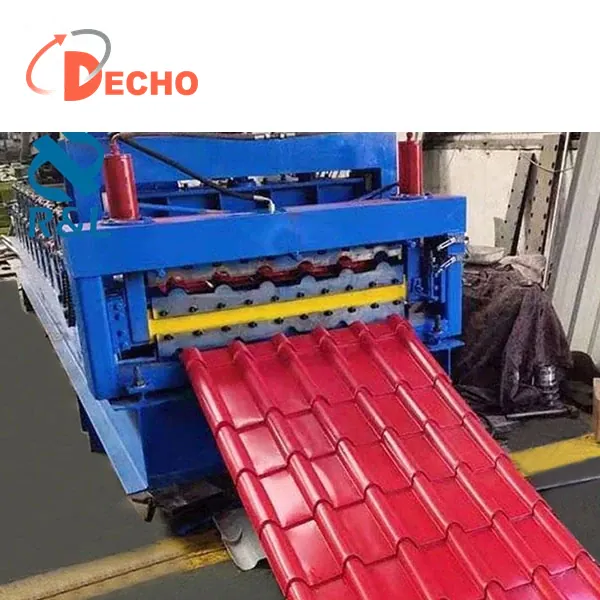
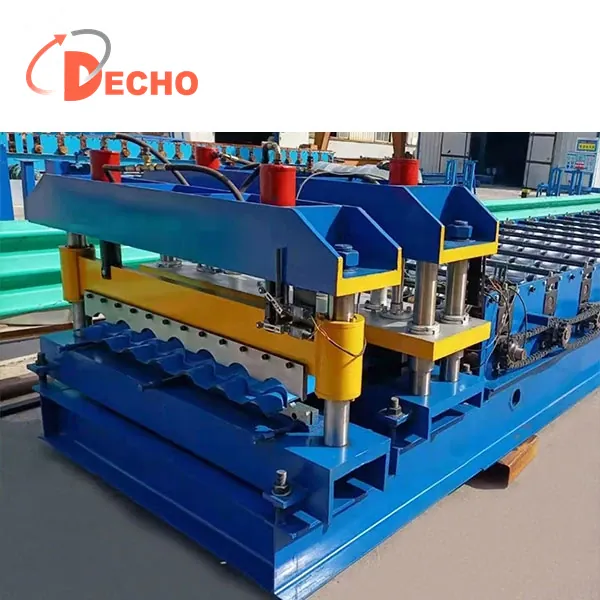
However, mineral oil - based lubricants do have some drawbacks. They tend to oxidize over time, especially at high temperatures. Oxidation can lead to the formation of sludge and varnish, which can clog the machine's lubrication system and cause problems. Also, they may not be the best choice if the machine is used in an environment where there's a risk of contamination with water or other chemicals.
Synthetic Lubricants
Synthetic lubricants are a more advanced option. They're chemically engineered to have specific properties that make them suitable for demanding applications. In the context of sheet making machines, synthetic lubricants offer several benefits.
They have excellent thermal stability, which means they can withstand high temperatures without breaking down. This is particularly important in sheet making processes where the machine parts can get quite hot. Synthetic lubricants also have a lower tendency to oxidize compared to mineral oil - based lubricants, so they last longer and require less frequent replacement.
Another advantage is their superior anti - wear properties. They can provide better protection to the machine's components, especially in high - stress areas like the rollers. This can result in longer component life and reduced maintenance requirements.
On the downside, synthetic lubricants are generally more expensive than mineral oil - based ones. But when you consider the long - term benefits, such as reduced downtime and lower maintenance costs, the investment can be well worth it.
Bio - Based Lubricants
In recent years, there's been a growing interest in bio - based lubricants. These lubricants are made from renewable resources, such as vegetable oils or animal fats. They're an environmentally friendly alternative to traditional lubricants.
Bio - based lubricants have good lubricating properties and are biodegradable. This makes them a great choice if the sheet making machine is used in an environment where environmental impact is a concern, such as in food processing or areas with strict environmental regulations.
However, they also have some limitations. Bio - based lubricants may have a shorter shelf life compared to other types of lubricants. They can also be more susceptible to oxidation and hydrolysis, especially in the presence of water and high temperatures.
Greases
Greases are another type of lubricant that can be used in sheet making machines. Greases are basically a mixture of a lubricating oil and a thickening agent. They're semi - solid, which means they can stay in place better than oils and provide long - lasting lubrication.
Greases are often used in applications where the machine parts are subject to heavy loads or slow - moving conditions. For example, they can be used to lubricate the bearings in the sheet making machine. They provide good sealing properties, which helps in preventing contaminants from entering the bearing and causing damage.
But greases also have their challenges. They can be difficult to apply and remove, especially in hard - to - reach areas. Also, if the wrong type of grease is used, it can cause problems such as increased friction and heat generation.
Now, let's talk about how to choose the right lubricant for your sheet making machine.
Factors to Consider
- Machine Design: Different sheet making machines have different lubrication requirements. For example, a machine with a complex gear system may require a lubricant with better anti - wear properties. You should refer to the machine's manual or consult the manufacturer to understand the specific lubrication needs.
- Operating Conditions: The temperature, humidity, and the presence of contaminants in the operating environment can all affect the choice of lubricant. If the machine operates in a high - temperature environment, a synthetic lubricant with good thermal stability would be a better choice.
- Material Being Processed: The type of material that the sheet making machine is processing can also influence the lubricant selection. For example, if the machine is used to process food - grade materials, a bio - based or food - grade lubricant may be required.
As a sheet making machine supplier, I've seen firsthand how the right lubricant can make a big difference in the performance of the equipment. If you're in the market for a sheet making machine, or if you're looking to upgrade your existing lubrication system, I'd be more than happy to help. We also offer a range of other machines, such as the Purlin Roll Forming Machine, Tile Roll Forming Machine, and Roof Tile Making Machine.
If you have any questions about lubricants or our machines, don't hesitate to reach out. We can discuss your specific needs and help you find the best solution for your business. Whether you're a small - scale manufacturer or a large industrial operation, we're here to support you.
References
- "Lubrication Fundamentals" by the Society of Tribologists and Lubrication Engineers
- "Handbook of Lubrication and Tribology" edited by Bharat Bhushan
So, if you're interested in learning more or making a purchase, just get in touch. We're ready to assist you in taking your sheet making operations to the next level!