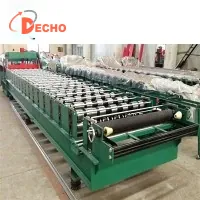
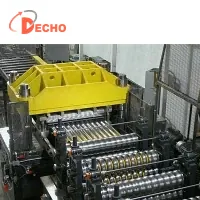
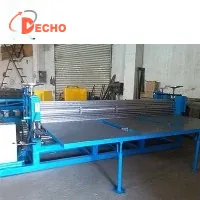
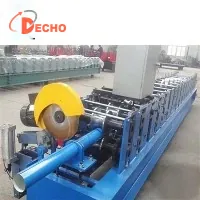
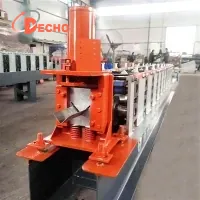
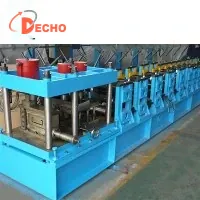
Maintaining and repairing a purlin roll forming machine involves regular cleaning, lubrication, inspection, and addressing specific issues as they arise. Here are the details:
Routine Maintenance
* Cleaning
External Cleaning: Regularly wipe down the exterior of the machine with a clean, dry cloth to remove dust, dirt, and metal shavings. Pay special attention to the areas around the rolls and the feeding mechanism, as these are prone to accumulation.
Internal Cleaning: Periodically open up the machine's access panels to clean the internal components. Use compressed air to blow out any debris or dust that may have collected in hard-to-reach areas.
* Lubrication
Rolls: Apply a suitable lubricant to the rolls at regular intervals, usually after every 8-10 hours of operation. This helps reduce friction and wear, ensuring smooth material feeding and forming.
Chains and Gears: Lubricate the chains and gears with a high-quality gear oil. Check the lubrication level regularly and top up as needed.
Guide Rails: The guide rails that the moving parts of the machine run on should be lubricated with a light oil to ensure smooth movement and reduce friction.
* Inspection
Roll Inspection: Regularly check the rolls for signs of wear, such as grooves, dents, or uneven surfaces. If any damage is found, the rolls may need to be repaired or replaced.
Belt and Chain Tension: Check the tension of belts and chains regularly. If they are too loose or too tight, it can affect the machine's performance. Adjust the tension as necessary.
Electrical System: Inspect the electrical connections and wires for any signs of damage, loose connections, or corrosion. Tighten any loose connections and replace damaged wires immediately.
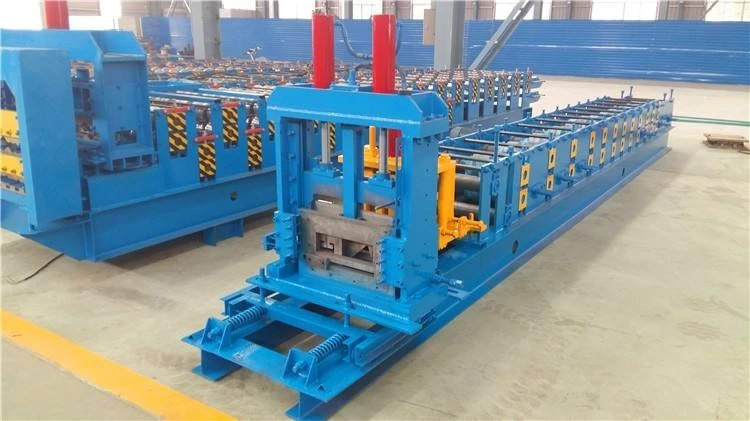
Common Repairs
* Roll Replacement
Signs of Need: If the rolls are severely worn, cracked, or damaged, they will need to be replaced. This is often indicated by poor quality purlin formation, such as uneven shapes or surface defects.
Replacement Process: First, disconnect the power to the machine. Then, carefully remove the old rolls by loosening the retaining bolts and brackets. Install the new rolls in the correct position, ensuring they are properly aligned and tightened.
* Motor Repair or Replacement
Motor Issues: Motors may fail due to overheating, electrical faults, or mechanical problems. Signs of motor trouble include unusual noises, reduced power, or the motor not starting at all.
Repair or Replace: If the motor has a minor electrical fault, it may be possible to repair it by replacing damaged windings or brushes. However, if the motor is severely damaged, it may be more cost-effective to replace it with a new one.
* Hydraulic System Repair
Leaks: The hydraulic system may develop leaks over time. Check the hoses, fittings, and cylinders for any signs of oil leakage. Tighten loose fittings or replace damaged hoses and seals.
Low Pressure: If the hydraulic pressure is too low, it can affect the machine's performance. Check the hydraulic fluid level and top it up if necessary. Also, check the pump and valves for any malfunctions.
For more complex repairs or if you are unsure about any maintenance or repair procedures, it is advisable to consult the machine's manufacturer or a professional technician. They have the expertise and tools to handle more serious issues and can provide valuable advice on maintaining the machine's performance and longevity.
https://www.jr-rollformingmachine.com/