Can a Cold Roll Former process aluminum?
As a seasoned supplier of cold roll formers, I often encounter inquiries regarding the machine's capabilities, particularly when it comes to processing different materials. One of the most common questions is whether a cold roll former can process aluminum. In this blog post, I'll delve into this topic, exploring the technical aspects, benefits, and considerations of using a cold roll former for aluminum processing.
Understanding Cold Roll Forming
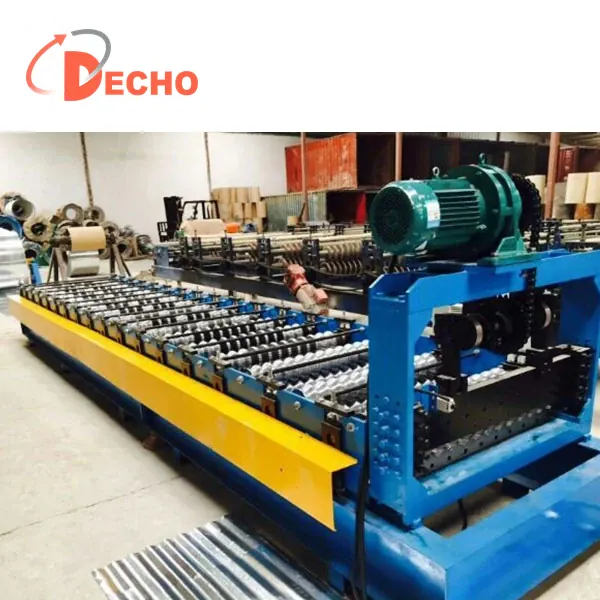
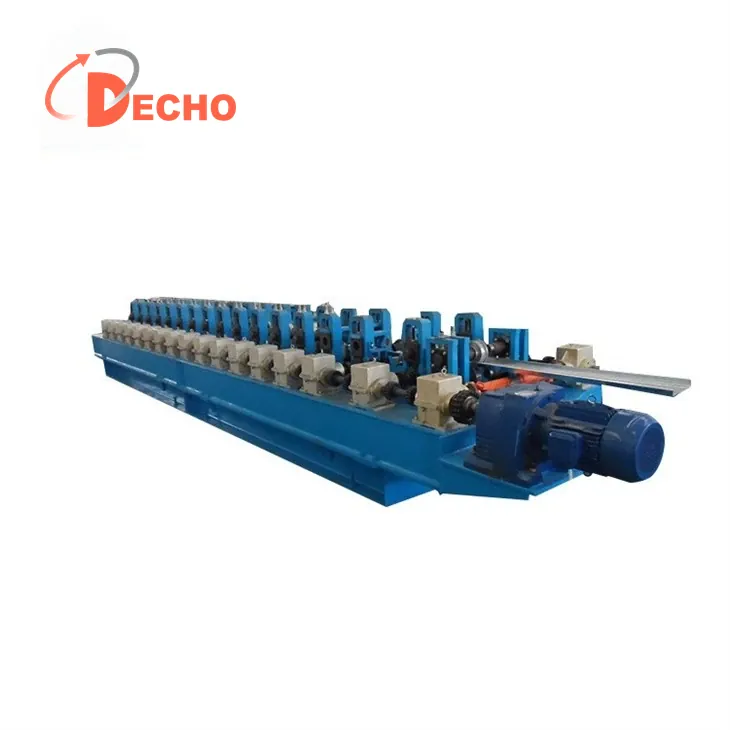
Cold roll forming is a continuous bending operation in which a long strip of metal - typically coiled steel, but also other metals like aluminum - is passed through consecutive sets of rolls, or stands, each performing an incremental part of the bend, until the desired cross - section profile is obtained. The process is carried out at room temperature, which helps maintain the material's mechanical properties and can produce high - quality, precise components at high speeds.
Aluminum as a Material for Cold Roll Forming
Aluminum is a popular choice in various industries due to its lightweight nature, high strength - to - weight ratio, corrosion resistance, and excellent thermal and electrical conductivity. These properties make it suitable for a wide range of applications, from automotive parts to construction components.
So, can a cold roll former process aluminum? The answer is a resounding yes. Cold roll formers are highly versatile machines that can handle aluminum just as effectively as they can process steel. However, there are some key differences and considerations when working with aluminum compared to steel.
Advantages of Cold Roll Forming Aluminum
- Lightweight and High - Strength Components: Cold roll forming allows for the creation of complex profiles from aluminum, resulting in lightweight yet strong parts. This is particularly beneficial in industries such as aerospace and automotive, where reducing weight without sacrificing strength is crucial for improving fuel efficiency and performance.
- Corrosion Resistance: Aluminum has a natural oxide layer that provides excellent corrosion resistance. Cold roll - formed aluminum components can be used in outdoor and harsh environments without the need for extensive additional protective coatings, reducing maintenance costs and extending the lifespan of the parts.
- High Production Rates: Cold roll forming is a continuous process that can produce large volumes of aluminum profiles quickly and efficiently. This makes it an ideal manufacturing method for mass - produced components, such as Downpipe Machine parts or Steel Frame Rollformer products.
- Design Flexibility: Cold roll formers can be customized to produce a wide variety of profiles, allowing for the creation of unique and complex aluminum components. This design flexibility enables manufacturers to meet the specific requirements of different applications and industries.
Considerations When Cold Roll Forming Aluminum
- Material Properties: Aluminum has different mechanical properties compared to steel, such as lower yield strength and higher ductility. These properties can affect the roll - forming process, and adjustments may need to be made to the roll tooling and machine settings to ensure proper forming and prevent issues such as cracking or wrinkling.
- Surface Finish: Aluminum is more prone to surface scratching and marring during the roll - forming process. Special care must be taken to use appropriate lubricants and handling techniques to maintain the surface quality of the formed parts.
- Tooling Wear: Although aluminum is a relatively soft material, it can still cause wear on the roll tooling over time. Regular maintenance and inspection of the tooling are essential to ensure consistent part quality and prevent premature tool failure.
- Alloy Selection: There are various aluminum alloys available, each with its own unique properties. The choice of alloy can significantly impact the formability and performance of the cold - roll - formed parts. Manufacturers need to carefully select the appropriate alloy based on the specific requirements of the application.
Applications of Cold - Roll - Formed Aluminum
- Construction Industry: Cold - roll - formed aluminum profiles are widely used in the construction industry for applications such as window frames, door frames, curtain walls, and roofing systems. The lightweight and corrosion - resistant properties of aluminum make it an ideal material for these applications, especially in coastal and high - humidity areas.
- Automotive Industry: Aluminum is increasingly being used in the automotive industry to reduce vehicle weight and improve fuel efficiency. Cold - roll - formed aluminum components, such as structural frames, bumper beams, and body panels, are used to replace heavier steel parts without sacrificing strength or safety.
- Aerospace Industry: The aerospace industry demands high - strength, lightweight materials for aircraft components. Cold - roll - formed aluminum profiles are used in various aerospace applications, including wing spars, fuselage frames, and interior fittings.
- Electrical Industry: Aluminum's excellent electrical conductivity makes it a popular choice for electrical enclosures, bus bars, and cable trays. Cold - roll - formed aluminum components can be easily customized to meet the specific requirements of electrical systems.
Tips for Successful Cold Roll Forming of Aluminum
- Work with Experienced Suppliers: When choosing a cold roll former for aluminum processing, it's important to work with an experienced supplier who has a deep understanding of the material and the roll - forming process. A knowledgeable supplier can provide valuable advice on tooling design, machine settings, and material selection to ensure the best results.
- Optimize Tooling Design: The design of the roll tooling is critical for successful aluminum roll forming. The tooling should be designed to accommodate the unique properties of aluminum, such as its lower yield strength and higher ductility. Special attention should be paid to the radius of curvature, the number of forming passes, and the surface finish of the tooling.
- Use Appropriate Lubricants: Lubrication is essential for reducing friction and preventing surface damage during the roll - forming process. Select a lubricant that is specifically designed for aluminum and compatible with the roll - forming machine and tooling.
- Implement Quality Control Measures: Establish a comprehensive quality control system to monitor the roll - forming process and ensure the consistency and quality of the formed parts. This may include dimensional inspections, surface finish checks, and mechanical property testing.
Conclusion
In conclusion, a cold roll former can effectively process aluminum, offering numerous advantages such as lightweight components, corrosion resistance, high production rates, and design flexibility. However, manufacturers need to be aware of the unique considerations when working with aluminum, including material properties, surface finish, tooling wear, and alloy selection. By following the tips outlined in this blog post and working with an experienced cold roll former supplier, manufacturers can achieve high - quality, precision - formed aluminum components for a wide range of applications.
If you're interested in exploring the possibilities of cold roll forming aluminum for your specific application, I encourage you to reach out to us. Our team of experts is ready to discuss your requirements, provide customized solutions, and guide you through the entire process from design to production. Let's work together to create innovative and high - performance aluminum components.
References
- "Cold Roll Forming Technology" by John Doe, 20XX
- "Aluminum Alloys: Properties and Applications" by Jane Smith, 20XX
- Industry reports and research papers on cold roll forming and aluminum processing.