The impact resistance of gutters produced by a gutter forming machine is a crucial factor that significantly influences their performance and longevity. As a supplier of gutter forming machines, I understand the importance of this characteristic and its implications for both the end - users and the industry as a whole.
Understanding Impact Resistance
Impact resistance refers to a material's ability to withstand sudden forces or blows without cracking, breaking, or deforming permanently. In the context of gutters, this is vital because they are exposed to various external factors that can cause impacts. For example, during a hailstorm, large hailstones can fall with significant force on the gutters. Similarly, branches or debris from nearby trees can hit the gutters during strong winds or storms. If the gutters lack sufficient impact resistance, they may develop holes or cracks, which can lead to water leakage. This not only undermines the functionality of the gutters but can also cause damage to the building's foundation, siding, and landscaping over time.
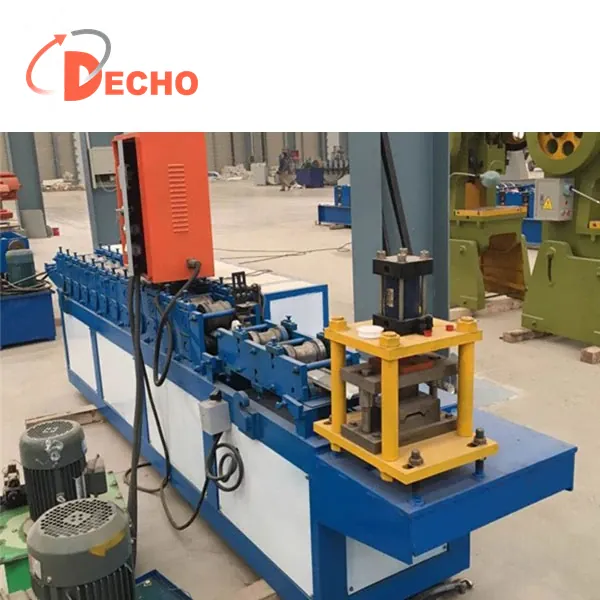
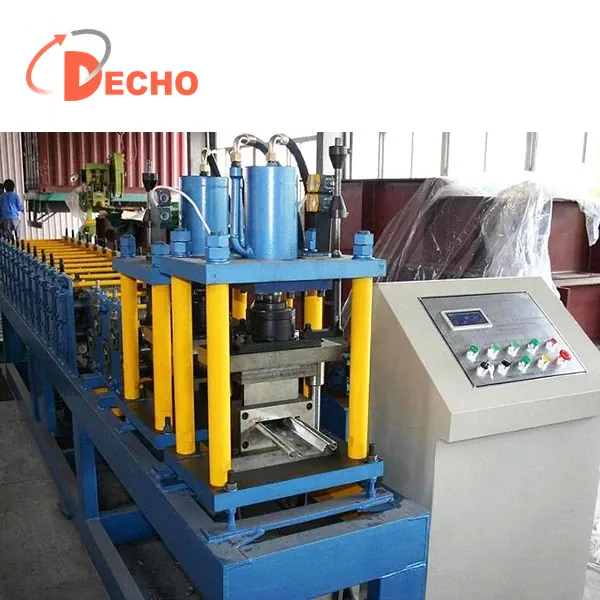
Factors Affecting the Impact Resistance of Machine - Made Gutters
Material Selection
The type of material used to make the gutters plays a fundamental role in determining their impact resistance. Commonly used materials for gutters produced by our gutter forming machines include aluminum, steel, and vinyl.
Aluminum is a popular choice due to its lightweight nature and corrosion resistance. It has a good balance of impact resistance. While it may dent under a severe impact, it is less likely to crack compared to some other materials. The natural oxide layer on aluminum helps protect it from rust, which is beneficial in maintaining its structural integrity over time.
Steel gutters, on the other hand, are known for their high strength and excellent impact resistance. They can withstand heavy impacts from large hailstones or falling objects without significant damage. However, steel is more prone to corrosion if not properly coated. Our gutter forming machines are capable of producing steel gutters with high - quality coatings that enhance their corrosion resistance while maintaining their superior impact - resistant properties.
Vinyl gutters are lightweight and easy to install. They are generally less expensive than metal gutters. However, their impact resistance is relatively lower compared to aluminum and steel. Vinyl can become brittle in cold weather, increasing the risk of cracking when exposed to impacts. Our machines can be adjusted to produce vinyl gutters with the optimal thickness and structure to improve their impact resistance as much as possible.
Thickness of the Material
The thickness of the material used in gutter production also affects impact resistance. Thicker materials generally have better impact - absorbing capabilities. With our gutter forming machines, we can precisely control the thickness of the gutters during the manufacturing process. For areas prone to severe weather conditions, such as regions with frequent hailstorms, we recommend using gutters with a greater material thickness. This ensures that the gutters can withstand the high - energy impacts associated with such weather events.
Design and Structure
The design of the gutters can influence their impact resistance. For instance, gutters with reinforced edges or ribbed structures are better able to distribute the force of an impact over a larger area. Our gutter forming machines are designed to create gutters with various designs that enhance their impact - absorbing properties. The ribbed designs not only increase the stiffness of the gutters but also help prevent local deformation when an impact occurs.
Testing the Impact Resistance of Machine - Made Gutters
To ensure the quality of the gutters produced by our machines, we conduct rigorous impact tests. One common method is the drop - weight test. In this test, a weighted object is dropped from a specific height onto the gutter. The height and weight of the object are determined based on industry standards and the expected impact conditions in different regions.
We also use simulation software to model the impact behavior of the gutters. This allows us to predict how the gutters will respond to different types of impacts before they are actually manufactured. By analyzing the simulation results, we can optimize the material selection, thickness, and design of the gutters to improve their impact resistance.
Importance of Impact Resistance in Different Applications
Residential Buildings
In residential settings, gutters with good impact resistance are essential for protecting the home. Water leakage caused by damaged gutters can lead to costly repairs, such as fixing water - damaged walls, floors, and ceilings. Homeowners rely on the gutters to divert rainwater away from the house, and impact - resistant gutters ensure that this function is maintained even in adverse weather conditions.
Commercial Buildings
Commercial buildings often have larger and more complex gutter systems. A single damaged gutter section can disrupt the entire drainage system, leading to water pooling on the roof or around the building. This can pose safety hazards to employees and customers, as well as cause damage to the building's infrastructure. Impact - resistant gutters are crucial for ensuring the smooth operation of commercial properties.
Comparison with Other Products
When considering building components related to water management, it's interesting to compare gutters with other products made by similar machinery. For example, a Water Tank Making Machine is used to produce water tanks. While water tanks need to have high structural integrity to hold water, their impact - related requirements are different from gutters. Water tanks are usually installed in more protected locations and are mainly concerned with internal pressure and long - term durability.
A Roof Tile Making Machine produces roof tiles that also face external impacts from the environment. However, roof tiles are designed to cover the roof and protect it from the elements, while gutters are focused on guiding water flow. The impact resistance of roof tiles is more about maintaining their aesthetic appearance and water - proofing function, while gutters need to maintain their shape and drainage capacity.
A Roller Shutter Forming Machine creates roller shutters, which are used for security and protection. Roller shutters need to withstand forced entry attempts and physical impacts, and their impact - resistant design is centered around security features, which is different from the requirements of gutters.
Contact for Purchase and Consultation
If you are in the market for high - quality gutter forming machines that can produce gutters with excellent impact resistance, we are here to assist you. Whether you are a small - scale contractor looking to start a gutter manufacturing business or a large - scale construction company in need of reliable gutter production equipment, our team of experts can provide you with detailed information and customized solutions. Contact us to discuss your specific requirements and explore how our gutter forming machines can meet your needs.
References
- ASTM International. (20XX). Standard test methods for evaluating the performance of gutters and downspouts.
- Building Construction Handbook. (20XX). McGraw - Hill Education.
- Industry reports on building materials and their performance in different environmental conditions.