As a supplier of Steel Frame Rollformers, I understand the critical importance of optimizing the production process. A well - optimized production process not only enhances efficiency but also improves the quality of the final product, reduces costs, and boosts overall competitiveness in the market. In this blog, I will share some key strategies on how to optimize the production process of a steel frame rollformer.
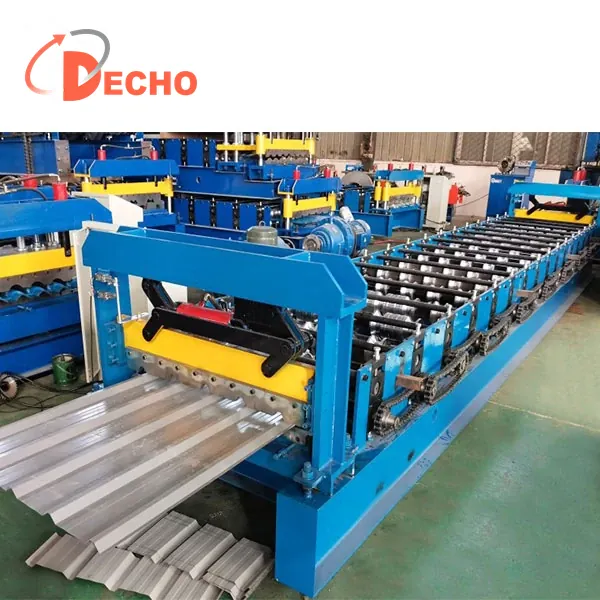
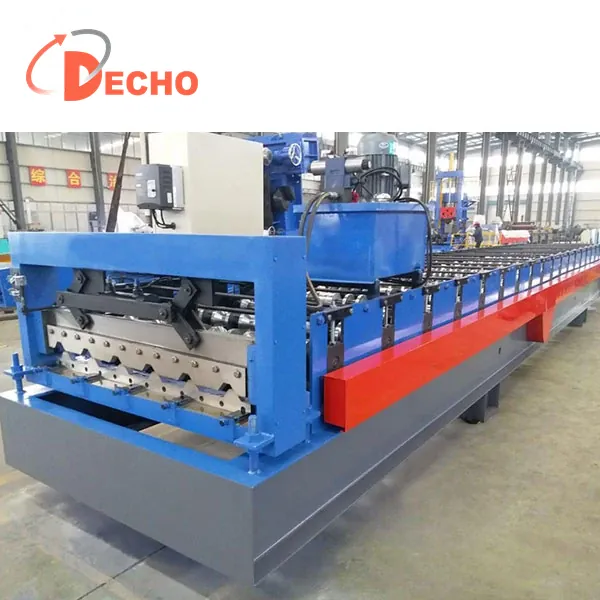
1. Equipment Selection and Maintenance
- Advanced Rollformer Models
Investing in the latest and most advanced steel frame rollformer models is the first step towards optimization. Modern rollformers are equipped with cutting - edge technology that can significantly increase production speed and precision. For example, some advanced models come with servo - driven systems that allow for more accurate control of the forming process, reducing material waste and improving the quality of the steel frames. When choosing a rollformer, consider factors such as the maximum production speed, the range of material thickness it can handle, and its compatibility with different types of steel. - Regular Maintenance
Regular maintenance of the rollformer is crucial for its smooth operation. This includes cleaning the machine regularly to prevent the accumulation of dirt and debris, lubricating moving parts to reduce friction, and inspecting and replacing worn - out components in a timely manner. A well - maintained rollformer is less likely to break down, which can lead to costly production delays. Create a detailed maintenance schedule and ensure that all maintenance tasks are carried out by trained technicians.
2. Material Management
- Quality of Raw Materials
The quality of the raw materials used in the rollforming process has a direct impact on the quality of the final product. Source high - quality steel from reliable suppliers. Conduct thorough quality checks on the incoming materials to ensure that they meet the required specifications. For example, check the thickness, hardness, and surface finish of the steel sheets. Using high - quality materials can reduce the number of defective products and improve the overall strength and durability of the steel frames. - Inventory Management
Efficient inventory management is essential for optimizing the production process. Keep track of the inventory levels of raw materials and finished products. Use inventory management software to accurately forecast demand and order the right amount of materials at the right time. This can prevent overstocking, which ties up capital, and understocking, which can lead to production stoppages.
3. Process Optimization
- Forming Process Design
Design the forming process carefully to ensure that it is as efficient as possible. This involves determining the optimal number of forming stations, the shape and size of the rolls, and the speed of the rollformer. Use computer - aided design (CAD) and simulation software to model the forming process and identify potential problems before production. By optimizing the forming process design, you can reduce the number of passes required to form the steel frame, which can save time and energy. - Automation and Integration
Automation can significantly improve the efficiency of the rollforming process. Consider automating tasks such as material feeding, cutting, and stacking. Automated systems can work continuously without fatigue, which can increase production speed and consistency. Additionally, integrate the rollformer with other production equipment, such as welding machines and painting booths, to create a seamless production line. This can reduce the time and effort required to transfer the steel frames between different production stages.
4. Quality Control
- In - process Inspection
Implement in - process inspection procedures to detect and correct any quality issues early in the production process. This can include visual inspections, dimensional measurements, and non - destructive testing. By catching problems early, you can prevent the production of large quantities of defective products, which can save time and resources. - Final Product Testing
Conduct comprehensive testing on the finished steel frames to ensure that they meet all the required quality standards. This can include load - testing, corrosion resistance testing, and fatigue testing. Only release products that pass all the tests to the market. By maintaining high - quality standards, you can build a good reputation in the market and increase customer satisfaction.
5. Employee Training and Development
- Technical Training
Provide regular technical training to your employees to ensure that they are proficient in operating the rollformer and other production equipment. This can include training on machine operation, maintenance, and troubleshooting. Well - trained employees are more likely to operate the equipment correctly, which can improve production efficiency and reduce the risk of accidents. - Continuous Improvement Mindset
Foster a culture of continuous improvement among your employees. Encourage them to suggest ideas for process optimization and quality improvement. Set up a system to evaluate and implement these suggestions. By involving employees in the improvement process, you can tap into their valuable knowledge and experience, which can lead to significant improvements in the production process.
Related Products
In addition to steel frame rollformers, we also offer a range of related products that can enhance your production capabilities. For example, our Corrugated Sheet Roll Forming Machine is designed to produce high - quality corrugated sheets with precision and efficiency. Our Portable Metal Roof Roll Forming Machine is ideal for on - site roof installation projects, providing flexibility and convenience. And our Metal Roofing Roll Former can produce various types of metal roofing profiles to meet different customer needs.
Conclusion
Optimizing the production process of a steel frame rollformer is a continuous process that requires a comprehensive approach. By focusing on equipment selection and maintenance, material management, process optimization, quality control, and employee training, you can significantly improve the efficiency, quality, and competitiveness of your production. If you are interested in our steel frame rollformers or any of our related products, please feel free to contact us for more information and to discuss your specific requirements. We are committed to providing you with the best solutions to meet your production needs.
References
- "Roll Forming Technology Handbook" by Daniel J. Green
- "Manufacturing Engineering and Technology" by S. Kalpakjian and S. R. Schmid