Selecting the right motor for cold roll forming machinery is a crucial decision that can significantly impact the performance, efficiency, and longevity of your equipment. As a supplier of cold roll forming machinery, I understand the importance of making an informed choice. In this blog post, I will guide you through the key factors to consider when selecting a motor for your cold roll forming machine.
Understanding Cold Roll Forming Machinery
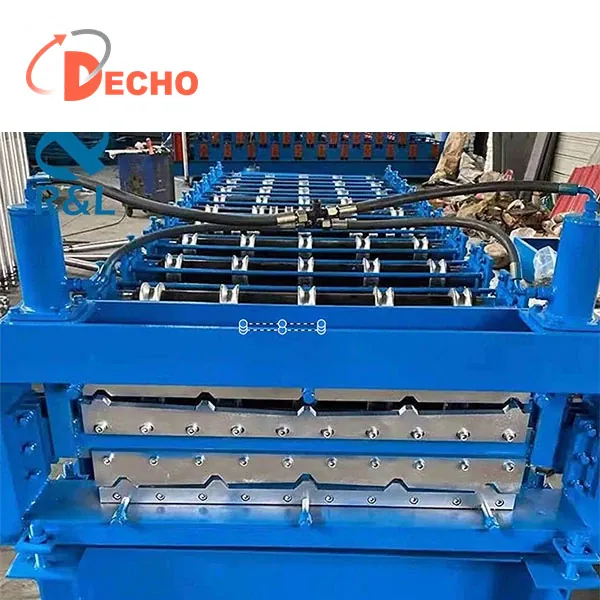
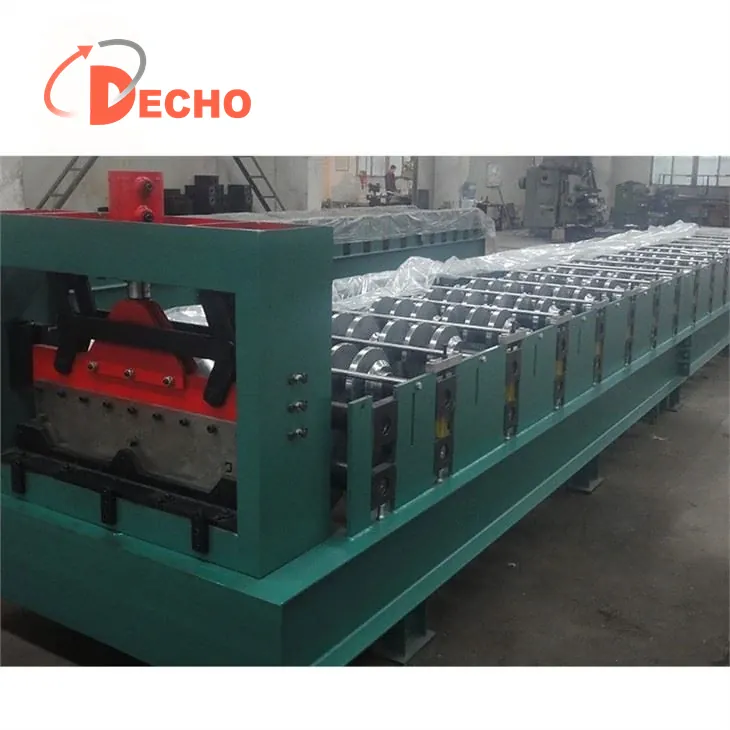
Cold roll forming is a process used to shape metal sheets into various profiles by passing them through a series of rollers. This process is widely used in industries such as construction, automotive, and manufacturing to produce products like roofing sheets, wall panels, and automotive components. Cold roll forming machinery consists of several components, including the roll stands, drive system, and control system. The motor is a critical part of the drive system, providing the power necessary to move the metal sheets through the rollers.
Factors to Consider When Selecting a Motor
Power Requirements
The first step in selecting a motor for your cold roll forming machine is to determine the power requirements. This depends on several factors, including the thickness and width of the metal sheets, the speed of the machine, and the complexity of the profile being formed. Generally, thicker and wider sheets require more power to form, as do profiles with more complex shapes. You can calculate the power requirements based on the torque and speed needed to drive the rollers. It's important to choose a motor with sufficient power to handle the maximum load your machine will encounter.
Speed and Torque
The speed and torque of the motor are also important considerations. The speed of the motor determines how fast the metal sheets will move through the machine, while the torque determines the force available to form the sheets. In cold roll forming, you need a motor that can provide a constant speed and sufficient torque to ensure smooth and accurate forming. Some applications may require variable speed control, allowing you to adjust the speed of the machine based on the specific requirements of the job. For example, when forming delicate profiles, you may need to reduce the speed to prevent damage to the sheets.
Efficiency
Efficiency is another key factor to consider when selecting a motor. An efficient motor will consume less energy, reducing your operating costs and environmental impact. Look for motors with high efficiency ratings, such as those that meet or exceed the Energy Star standards. Additionally, consider the type of motor technology, such as AC or DC motors. AC motors are generally more efficient and reliable, while DC motors offer better speed control.
Reliability and Durability
Cold roll forming machines operate continuously for long periods, so it's essential to choose a motor that is reliable and durable. Look for motors from reputable manufacturers with a proven track record of quality and performance. Consider the motor's construction, including the materials used and the quality of the components. A well-built motor will be able to withstand the harsh operating conditions of a cold roll forming environment, such as high temperatures, vibrations, and dust.
Cost
Cost is always a consideration when purchasing equipment. While it's important to choose a motor that meets your requirements, you also need to consider your budget. Compare the prices of different motors from various manufacturers, taking into account the features, performance, and warranty. Remember that the cheapest motor may not always be the best value in the long run, as it may require more maintenance and have a shorter lifespan.
Types of Motors for Cold Roll Forming Machinery
AC Induction Motors
AC induction motors are the most commonly used motors in cold roll forming machinery. They are reliable, efficient, and relatively inexpensive. AC induction motors work by using an alternating current to create a rotating magnetic field, which drives the motor's rotor. These motors are available in a wide range of power ratings and can be used in both single-phase and three-phase applications.
DC Motors
DC motors are another option for cold roll forming machinery. They offer excellent speed control and torque characteristics, making them suitable for applications that require precise control. DC motors work by using a direct current to create a magnetic field, which interacts with the motor's armature to produce rotation. However, DC motors are generally more expensive and require more maintenance than AC motors.
Servo Motors
Servo motors are high-performance motors that offer precise control of speed, position, and torque. They are commonly used in applications that require high accuracy and repeatability, such as in the production of complex profiles. Servo motors work by using a feedback mechanism to adjust the motor's output based on the desired position or speed. While servo motors are more expensive than AC and DC motors, they can significantly improve the performance and quality of your cold roll forming machine.
Additional Considerations
Motor Control
In addition to selecting the right motor, you also need to consider the motor control system. The control system is responsible for regulating the speed, torque, and direction of the motor. It can also provide features such as overload protection, fault detection, and diagnostic capabilities. There are several types of motor control systems available, including variable frequency drives (VFDs), servo drives, and programmable logic controllers (PLCs). Choose a control system that is compatible with your motor and machine requirements.
Maintenance and Support
Proper maintenance is essential to ensure the long-term performance and reliability of your motor. Look for a motor that is easy to maintain, with accessible components and clear maintenance instructions. Additionally, consider the availability of spare parts and technical support from the manufacturer. A reliable manufacturer will offer comprehensive support, including training, troubleshooting, and repair services.
Conclusion
Selecting the right motor for your cold roll forming machinery is a complex decision that requires careful consideration of several factors. By understanding the power requirements, speed and torque needs, efficiency, reliability, and cost of the motor, you can make an informed choice that will meet the needs of your application. Additionally, consider the type of motor technology, motor control system, and maintenance and support requirements. As a [Your Company Type] of cold roll forming machinery, we have the expertise and experience to help you select the right motor for your machine. If you have any questions or need further assistance, please feel free to [Encourage Contact for Purchase Discussion].
References
- "Cold Roll Forming Technology" by Peter Groche, et al.
- "Motor Handbook" by Arnold E. Fitzgerald, Charles Kingsley Jr., and Stephen D. Umans.
- "Energy-Efficient Motors and Drives" by the U.S. Department of Energy.
For more information about our cold roll forming machinery, you can visit our website: