The energy - efficiency ratio (EER) of a metal sheet making machine is a crucial metric that measures the machine's ability to convert electrical or other forms of energy into useful work in the process of manufacturing metal sheets. As a leading supplier of metal sheet making machines, understanding and optimizing this ratio is of utmost importance for both our company and our customers.
Defining the Energy - Efficiency Ratio
The energy - efficiency ratio is typically defined as the ratio of the useful output of a machine to the energy input. In the context of a metal sheet making machine, the useful output can be measured in terms of the quantity and quality of the metal sheets produced within a given time frame. The energy input includes all forms of energy consumed by the machine, such as electricity for motors, hydraulic power, and heat energy if there are processes like annealing or coating.
Mathematically, EER = Useful Output / Energy Input. For example, if a machine consumes 1000 kilowatt - hours (kWh) of electricity in a month and produces 5000 square meters of high - quality metal sheets, and we define the useful output in terms of area of sheets produced, the EER can be calculated based on the relationship between these two values. However, it's important to note that the calculation can be more complex in real - world scenarios as different types of energy inputs and multiple factors affecting the useful output need to be considered.
Factors Affecting the Energy - Efficiency Ratio of Metal Sheet Making Machines
Machine Design and Technology
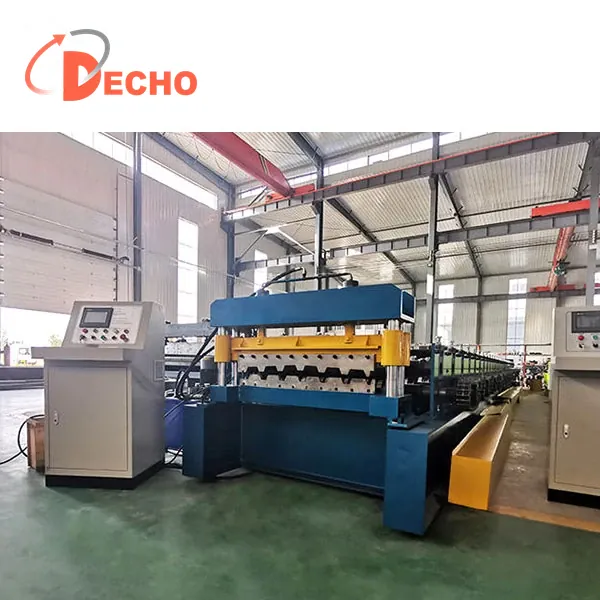
The design of a metal sheet making machine plays a significant role in its energy efficiency. Modern machines are often equipped with advanced technologies such as servo - driven systems. Servo motors can precisely control the movement of machine components, reducing energy waste caused by over - or under - driving. For instance, in a Deck Roll Forming Machine, a servo - driven system can adjust the speed of the rollers according to the thickness and type of the metal sheet being processed, ensuring that only the necessary amount of energy is used.
Another aspect of machine design is the use of high - quality materials. Machines made with low - friction materials in their moving parts, such as bearings and gears, can reduce the energy required to overcome mechanical resistance. Additionally, well - insulated components in machines that involve heating processes can prevent heat loss, improving the overall energy efficiency.
Process Optimization
The manufacturing process itself can have a major impact on the energy - efficiency ratio. For example, in a Upright Rack Roll Forming Machine, the number of forming passes can be optimized. Fewer forming passes may seem more energy - efficient at first glance, but if the quality of the formed rack is compromised, it may lead to additional processing steps or even product rejection. Therefore, finding the right balance between the number of passes and the energy consumed is crucial.
Moreover, the layout of the production line can also affect energy efficiency. A well - organized production line can minimize the movement of materials and reduce the time that machines are idle, thus improving the overall energy utilization.
Operator Skills and Training
The skills and training of machine operators are often overlooked but are essential for achieving a high energy - efficiency ratio. An experienced operator can operate the machine at its optimal settings, adjust the processing parameters according to the specific requirements of the metal sheets, and quickly identify and troubleshoot any issues that may lead to increased energy consumption. For example, an operator who knows how to properly set the speed and pressure of a Roof And Wall Panel Roll Forming Machine can ensure that the machine runs smoothly and efficiently, reducing unnecessary energy waste.
Measuring and Improving the Energy - Efficiency Ratio
Measuring the EER
To measure the energy - efficiency ratio of a metal sheet making machine accurately, it is necessary to collect data on both the energy input and the useful output. Energy meters can be installed to measure the electricity consumption of the machine, and sensors can be used to monitor other forms of energy input, such as hydraulic pressure and temperature. On the output side, quality control systems can be used to measure the quantity and quality of the produced metal sheets. By regularly collecting and analyzing this data, manufacturers can get a clear picture of the machine's energy efficiency over time.
Improving the EER
There are several ways to improve the energy - efficiency ratio of metal sheet making machines. One approach is to upgrade the machine's components. For example, replacing old motors with more energy - efficient ones can significantly reduce electricity consumption. Another method is to implement energy management systems. These systems can monitor the energy usage of the machine in real - time and adjust the operating parameters automatically to optimize energy efficiency.
Regular maintenance is also crucial for maintaining a high EER. Lubricating moving parts, checking and tightening connections, and replacing worn - out components can prevent energy losses due to mechanical inefficiencies.
Importance of Energy Efficiency for Metal Sheet Making Machine Suppliers and Customers
For Suppliers
As a metal sheet making machine supplier, offering energy - efficient machines is a competitive advantage. In today's market, customers are increasingly concerned about energy costs and environmental impact. By providing machines with high energy - efficiency ratios, we can attract more customers and build a good reputation in the industry. Moreover, promoting energy - efficient machines can also contribute to sustainable development, which is in line with global trends.
For Customers
For customers, energy - efficient metal sheet making machines can lead to significant cost savings in the long run. Lower energy consumption means lower electricity bills, which can improve the profitability of their metal sheet manufacturing operations. Additionally, using energy - efficient machines can also help customers meet environmental regulations and reduce their carbon footprint.
Conclusion
The energy - efficiency ratio of a metal sheet making machine is a complex but important metric that is influenced by various factors such as machine design, process optimization, and operator skills. As a supplier, we are committed to continuously improving the energy efficiency of our machines through research and development, component upgrades, and providing comprehensive training to our customers' operators.
If you are interested in our metal sheet making machines and want to learn more about their energy - efficiency features, or if you have any specific requirements for your metal sheet manufacturing needs, we welcome you to contact us for a detailed discussion. We are ready to provide you with the most suitable solutions and help you achieve greater efficiency and cost - effectiveness in your production processes.
References
- "Handbook of Metal Forming Processes" by John R. Davis
- "Energy Efficiency in Manufacturing: Technologies and Strategies" by various authors
- Industry reports on metal sheet making machine technology and energy efficiency trends